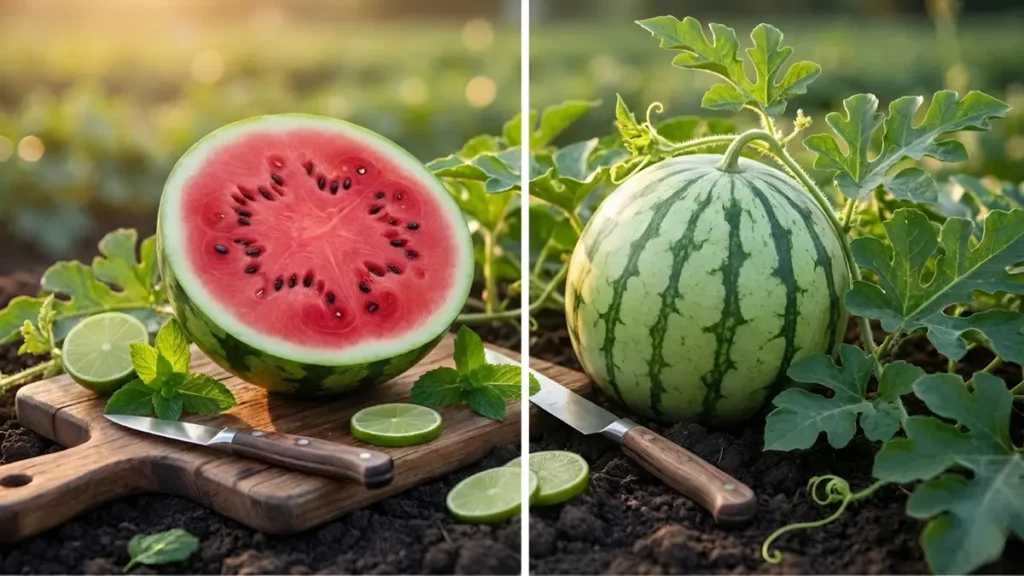
2026 Backyard Melons: Backyard gardening in 2026 has become more than a hobby it’s a lifestyle choice for those seeking fresh, flavorful produce right at home. Among the most rewarding crops to grow are melons, known for their juicy sweetness and refreshing taste. With the right approach, even beginners can enjoy abundant harvests without exhausting effort. This guide brings together proven techniques, modern insights, and practical tips to help you grow healthy vines and enjoy delicious melons straight from your backyard.
Select varieties that suit your space
Choosing melon varieties tailored to your backyard size and climate is the foundation of success. Compact options like Sugar Baby watermelons thrive in smaller gardens, while larger types such as Crimson Sweet need more room to spread. Hybrid varieties bred for disease resistance are excellent for reducing maintenance. By aligning your choice with your environment, you’ll maximize yield and flavor while minimizing challenges, ensuring your vines flourish with minimal intervention.
Enrich soil for stronger roots
Melons demand nutrient-rich soil to produce their best fruits. Incorporating compost, aged manure, or organic fertilizers before planting creates a fertile base. A slightly sandy texture allows roots to expand freely, while organic matter boosts microbial activity. Balanced soil pH between 6.0 and 6.8 ensures optimal nutrient absorption. Preparing the soil thoroughly at the start saves time later, giving your vines the strength to grow vigorously and deliver sweeter, healthier fruits.
Water wisely for sweeter harvests
Consistent watering is crucial, but overwatering can dilute flavor. Deep watering encourages roots to grow downward, making plants more resilient. Early growth stages require steady moisture, while reducing water slightly during fruit ripening concentrates sugars. Drip irrigation systems or soaker hoses simplify the process, conserving water while keeping soil evenly moist. This balance ensures your melons develop their signature sweetness without unnecessary effort or risk of disease.
Train vines for healthier growth
Guiding vines as they spread prevents overcrowding and improves airflow. Trellises, garden nets, or simple supports help vines grow upward, saving space and reducing disease risk. Training vines also makes fruits easier to spot and harvest. By gently repositioning vines, you create a structured garden where sunlight reaches every leaf. This small step enhances plant health, boosts fruit quality, and transforms your backyard into a productive, organized melon patch.
Mulch to protect and preserve
Mulching is a low-effort technique with high rewards. A layer of straw, shredded leaves, or compost around the base of vines locks in moisture, suppresses weeds, and stabilizes soil temperature. Mulch also prevents fruits from touching bare soil, reducing rot and blemishes. This simple practice keeps your garden tidy while ensuring your melons ripen in clean, healthy conditions. With minimal effort, mulching delivers long-term benefits for both vines and fruits.
Boost pollination for bigger yields
Pollination is the secret to abundant melon harvests. Bees and butterflies are natural helpers, but you can also hand-pollinate using a small brush to transfer pollen between flowers. Planting pollinator-friendly blooms nearby increases activity in your garden. Without proper pollination, fruits may be few or misshapen. Giving pollination attention ensures your vines produce plentiful, well-formed melons, turning your backyard into a buzzing ecosystem of productivity and flavor.
Spot ripeness with simple cues
Harvesting melons at the right time is essential for flavor. Signs of ripeness include a sweet aroma, a hollow sound when tapped, and stems beginning to slip from the fruit. Cantaloupes often develop a golden hue, while watermelons show a creamy underside. Picking too early results in bland taste, while waiting too long risks overripeness. Learning these cues ensures every melon you harvest is juicy, fragrant, and bursting with natural sweetness.
Control pests with natural allies
Melons attract pests like aphids and beetles, but eco-friendly solutions keep them under control. Companion planting with marigolds or basil deters invaders, while neem oil and insecticidal soap provide safe treatments. Encouraging beneficial insects such as ladybugs adds natural defense. These strategies protect vines without chemicals, ensuring fruits remain safe to eat. With minimal effort, you can maintain a healthy balance in your garden, keeping pests at bay while melons thrive.
Rotate crops for lasting fertility
Crop rotation is a long-term strategy that keeps soil healthy and productive. Avoid planting melons in the same spot year after year, as this can lead to nutrient depletion and soil-borne diseases. Rotating with legumes or leafy greens restores fertility and breaks pest cycles. This practice ensures your backyard remains fertile, giving you consistent harvests season after season. It’s a simple yet powerful way to sustain melon success with minimal effort.
Use modern tools for easy care
Gardening in 2026 benefits from smart technology. Soil sensors, automated irrigation systems, and mobile apps help monitor conditions effortlessly. These tools provide real-time updates on moisture, temperature, and plant health, reducing guesswork. By integrating technology, you save time and energy while ensuring optimal growth. Modern tools make melon gardening accessible to everyone, combining traditional wisdom with innovation for healthier vines and sweeter fruits.
Share harvests with family and friends
One of the joys of growing melons is sharing them. Freshly harvested fruits become the centerpiece of summer gatherings, family meals, and neighborhood exchanges. Offering homegrown melons builds connections and spreads the satisfaction of backyard gardening. Beyond flavor, melons carry the pride of effort and care. Sharing your harvest turns gardening into a community experience, making every bite sweeter and every season more memorable.
Conclusion: 2026 Backyard Melons
Backyard melons in 2026 are proof that gardening can be both rewarding and effortless. By selecting the right varieties, enriching soil, watering wisely, and encouraging pollination, you’ll enjoy healthy vines and sweet fruits with minimal stress. Add mulching, pest control, crop rotation, and modern tools, and your garden becomes a thriving source of flavor and joy. With these proven tips, your backyard transforms into a melon paradise delicious, sustainable, and deeply satisfying.
Garlic Growing 2026: Simple Clove Planting Hacks for Bigger Bulbs & Maximum Harvests
Sweet Organic Strawberries: Easy Pot & Container Gardening Tips for Big Harvests
French Bean Growing Secrets: Easy Home Gardening Tips for Fiber‑Rich Harvests
Grow Spinach at Home: Best Gardening Tips for Fast Germination & Healthy Harvests