2026 Best Mango Trees for Containers: Container gardening has revolutionized the way urban gardeners grow fruit. Now, mango trees can thrive even in small apartments or patios. The key is selecting the right mango varieties, using appropriate containers, and applying practical care techniques. This guide dives into the most productive mango trees for pots, soil recommendations, fertilization, pest management, and harvesting methods to ensure you enjoy sweet, juicy mangoes straight from your own balcony.
Dwarf Mango Varieties That Shine in Pots
When choosing mango trees for containers, dwarf varieties are your best bet. These trees remain compact yet yield delicious fruit. Popular choices for 2026 include:
| Variety | Height in Container | Fruit Flavor | Key Feature |
|---|---|---|---|
| Kensington Pride | 6–8 feet | Sweet and tangy | Compact, disease-resistant |
| Nam Doc Mai | 5–7 feet | Very sweet | Early fruiting, prolific |
| Pickering | 4–6 feet | Mildly tangy | Ideal for small pots, slow-growing |
| Irwin | 5–7 feet | Juicy, aromatic | Bright red skin, small tree |
| Carrie | 4–6 feet | Intensely sweet | Good for indoor balconies |
Choosing a dwarf variety ensures your container tree remains manageable, flowers consistently, and produces fruit without overwhelming your space.
Selecting the Ideal Container
The right container supports root growth, prevents waterlogging, and ensures your mango thrives. Keep these points in mind:
- Start with 15–20 inch diameter pots for seedlings.
- Upgrade to 24–30 inch pots as the tree grows.
- Ensure good drainage holes to prevent root rot.
- Terracotta and high-quality plastic pots are preferred for temperature regulation.
- Consider wheeled bases for easy repositioning under sunlight.
A properly sized pot creates the foundation for strong growth and healthy fruiting in restricted spaces.
Soil Secrets for Healthy Mango Trees
Soil composition is vital for container mango trees. Poor soil leads to weak roots and low fruit production. A recommended potting mix includes:
- 40% sandy loam – ensures drainage
- 30% organic compost – provides nutrients
- 20% perlite or vermiculite – aerates soil
- 10% coconut coir – retains moisture without waterlogging
Pro tip: Add a slow-release, balanced fertilizer at planting to boost early growth. Well-prepared soil allows your mango to thrive and produce high-quality fruit year after year.
Watering Made Simple
Container mango trees need careful watering. Overwatering can drown roots, while underwatering stresses the plant. Follow these simple rules:
- Check soil moisture before watering; water when the top inch is dry.
- Deep watering once or twice a week is better than frequent shallow watering.
- Reduce watering during dormancy or cooler months.
- Ensure excess water drains freely to prevent fungal infections.
Proper hydration supports flower formation, fruit development, and overall tree health in limited spaces.
Sunlight Boosts Sweetness
Sunlight is essential for mango trees. Containers allow flexibility, but you must maximize exposure:
- Place trees in 6–8 hours of direct sunlight daily.
- Rotate pots weekly to ensure even growth on all sides.
- Use reflective surfaces like walls to enhance light intensity.
Strong sunlight increases sugar content in mangoes, produces larger fruits, and keeps the tree healthy and vibrant.
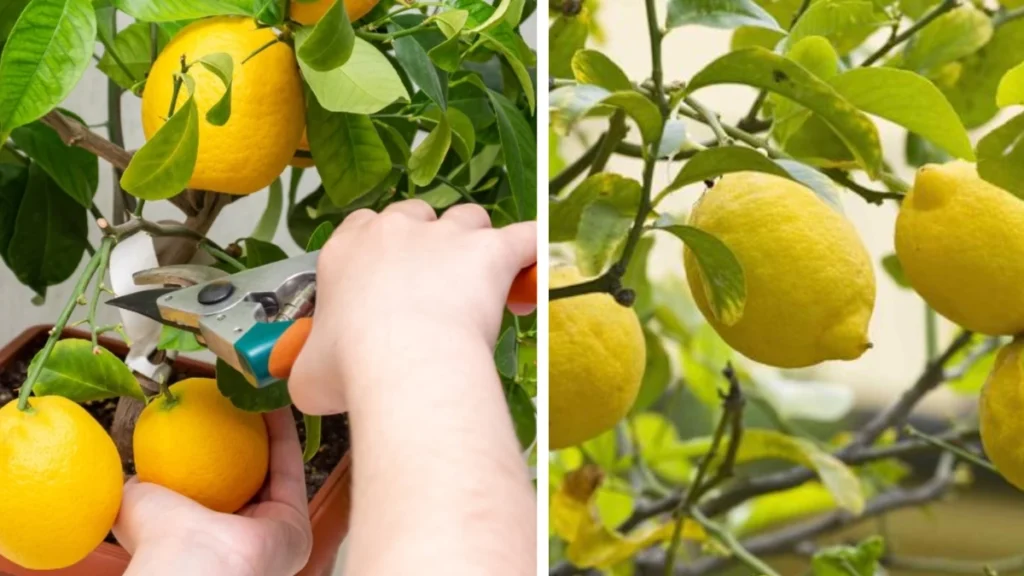
Pruning Tricks for Bigger Mangoes
Pruning is more than shaping; it directly impacts fruit yield. For container mango trees:
- Remove dead, damaged, or inward-growing branches.
- Thin dense areas to improve air circulation.
- Cut back excessive top growth to focus energy on flowers and fruits.
- Light pruning encourages larger, sweeter mangoes rather than too many small fruits.
Consistent pruning makes your tree manageable, attractive, and highly productive.
Fertilization Strategies for Maximum Yield
Fertilizing container mango trees is crucial for robust growth. Use the following approach:
- Nitrogen-rich fertilizer in early growth stages.
- Potassium and magnesium to boost flowering and fruit size.
- Slow-release fertilizer every 6–8 weeks during growing season.
- Organic supplements like compost tea, seaweed extract, or bone meal improve soil fertility naturally.
Well-fed trees produce more blossoms, stronger branches, and sweeter, juicier mangoes.
Pest and Disease Management
Container mango trees are susceptible to pests due to limited root space. Key tips:
- Inspect leaves regularly for aphids, mealybugs, and spider mites.
- Use neem oil, insecticidal soap, or horticultural oils for control.
- Maintain proper spacing and pruning to avoid fungal growth.
- Remove fallen leaves and debris to reduce disease risk.
Vigilant care ensures your tree remains healthy and produces high-quality fruit without chemical overuse.
Flowering and Fruit Initiation
Encouraging flowering in container mangoes can be tricky but manageable:
- Ensure adequate sunlight and proper fertilization.
- Slight water stress during late winter can trigger flower buds.
- Use phosphorus-rich fertilizers to boost flower production.
- Monitor for flower pests like thrips and lace bugs.
Following these steps increases your chances of consistent fruiting every season, even in small containers.
Harvesting Tips for Perfect Mangoes
Timing is everything when harvesting mangoes:
- Pick fruits when skin color changes slightly and the fruit is slightly soft.
- Avoid harvesting too early; under-ripe mangoes lack sweetness.
- Store ripe fruits at room temperature for 2–5 days before consumption.
- Regular harvesting encourages new flower formation and reduces stress on the tree.
Proper harvesting ensures maximum flavor, longer shelf life, and continuous productivity.
Advanced Techniques for Small Spaces
Urban gardeners can use additional techniques to boost mango production in pots:
- Air pruning roots by using fabric grow bags.
- Vertical supports or trellises to save space.
- Intercropping with herbs like basil or mint to improve soil health.
- Mulching to retain soil moisture and regulate temperature.
These methods maximize your small garden’s potential, allowing big fruit harvests even in tiny containers.
Common Mistakes to Avoid
Even experienced gardeners make mistakes. Avoid these pitfalls:
- Overcrowding the container with other plants.
- Ignoring sunlight requirements.
- Overfeeding or underfeeding fertilizer.
- Neglecting pest monitoring.
- Using poor-quality or waterlogged soil.
Awareness and corrective actions prevent stress, low yield, and unhealthy mango trees.
Conclusion: 2026 Best Mango Trees for Containers
Container mango gardening proves that you don’t need a sprawling yard to grow sweet, juicy mangoes. By selecting the right dwarf variety, using appropriate pots and soil, and following consistent care routines, you can enjoy fruitful harvests even on a balcony or patio. With proper watering, sunlight, pruning, and pest management, your small container mango tree can become a lush, productive centerpiece, offering delicious mangoes for years to come.