2026 Easy Lychee Gardening: Growing lychee at home is no longer limited to tropical gardens or large backyards. With dwarf litchi varieties, even a balcony, terrace, or small patio can become a personal fruit paradise. These compact trees are designed for container gardening, making them ideal for urban homes. From soil preparation to harvesting juicy fruits, this guide will cover everything you need to successfully grow lychee trees in pots and enjoy a bountiful harvest every season.
Select the Best Pot for Growth
Choosing the right pot is the foundation for successful dwarf lychee gardening. Pots should be 18–30 inches in diameter with multiple drainage holes to prevent waterlogging. Terracotta pots are excellent for breathability, while high-quality plastic pots make moving the tree easier. Consider pots with a slightly wider base to stabilize the tree as it grows. Using a raised pot stand improves air circulation, reduces pest risk, and allows the roots to develop properly.
Prepare Nutrient-Rich Soil
Lychee trees thrive in soil rich in organic matter and minerals. A perfect potting mix can include:
- 40% garden soil
- 30% compost or well-rotted manure
- 20% sand for drainage
- 10% peat moss or cocopeat
This combination ensures water retention while preventing root rot. Regularly check soil pH, which should be slightly acidic (pH 5.5–6.5), as lychee struggles in alkaline soils. Refresh the top layer every 1–2 years to keep nutrients optimal.
Ideal Sunlight Conditions
Sunlight is critical for flowering and fruiting. Dwarf lychee trees need 6–8 hours of direct sunlight daily. South-facing balconies or terraces are ideal. During extreme summer heat, provide partial shade with a mesh cover to prevent leaf scorch. For indoor gardening, supplement natural light with LED grow lights to ensure consistent energy for photosynthesis and flowering.
Smart Watering Techniques
Watering is a key factor in lychee productivity. Tips for perfect watering include:
- Keep soil moist but not soggy
- Water early in the morning or late in the evening
- Use drip irrigation for deep root hydration
- Reduce watering slightly during winter dormancy
Proper watering reduces stress on the tree and encourages larger, sweeter fruits. Avoid overwatering as it may cause root rot or fungal infections.
Fertilization for Big Fruits
Fertilizing dwarf lychee trees promotes healthy growth and fruiting. Use a combination of organic and chemical fertilizers for best results.
- Organic options: Compost, vermicompost, fish emulsion
- Chemical options: NPK (10:10:10) balanced fertilizer
- Apply fertilizers once every 2–3 months during growth
- Boost potassium and phosphorus before flowering for better fruit set
A well-fed tree produces plump, juicy lychees and resists pest infestations effectively.
Pruning for Productivity
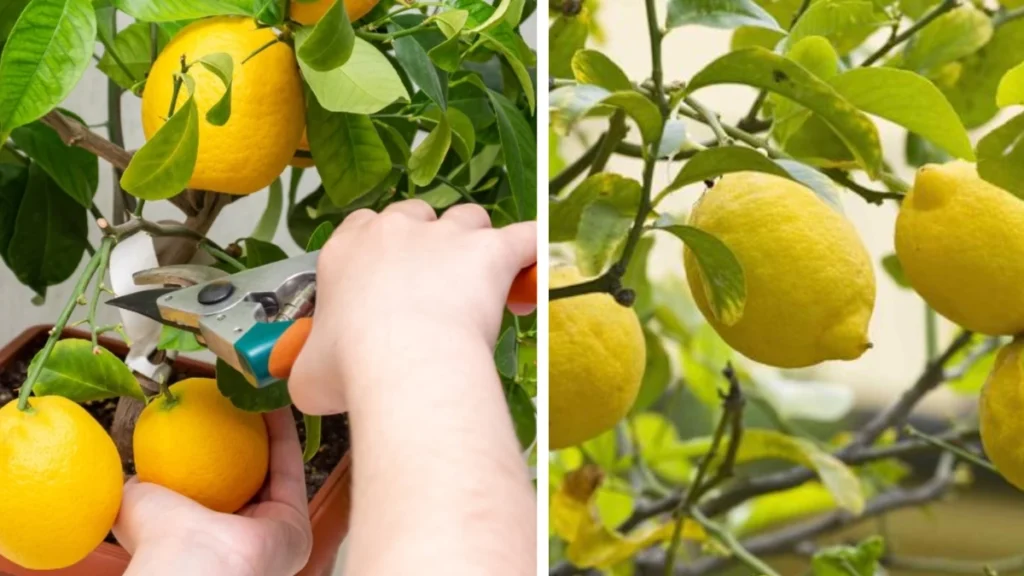
Pruning keeps your dwarf lychee tree healthy and manageable. Key tips:
- Remove dead or damaged branches regularly
- Thin crowded branches to improve airflow
- Shape the canopy to allow sunlight penetration
- Prune lightly after harvest to encourage new growth
Pruning not only maintains tree size for pot cultivation but also increases flower production in subsequent seasons.
Pest and Disease Control
Potted lychee trees are prone to pests like aphids, spider mites, and mealybugs. Control methods include:
- Spray neem oil or insecticidal soap
- Remove pests manually if infestation is light
- Ensure good airflow around the tree
- Avoid overwatering to reduce fungal risks
Healthy trees with proper sunlight, water, and nutrition naturally resist most pests and diseases.
Flowering Secrets for More Fruits
Lychee trees may take 3–5 years to bear fruits, but you can accelerate flowering with these methods:
- Provide a cool period during winter
- Maintain consistent watering and sunlight
- Apply flower-inducing fertilizers rich in phosphorus
- Use hand pollination to improve fruit set
Consistency in care ensures your tree produces more clusters of fruits every year.
Harvesting Techniques
Harvest lychees when their skin turns bright pink or red and the fruit emits a sweet aroma.
- Gently twist or cut clusters to avoid stem damage
- Store harvested fruits in a cool, dry place or refrigerate
- Pick ripe lychees regularly to encourage new flowering
Proper harvesting guarantees maximum yield and fruit quality, giving you fresh lychees straight from your pot.
Seasonal Care Calendar
Keeping a seasonal schedule improves the health and productivity of your dwarf lychee tree.
| Season | Key Care Tips | Notes |
|---|---|---|
| Spring | Fertilize, prune lightly | Encourages flower buds |
| Summer | Water daily, partial shade if hot | Prevent leaf burn |
| Monsoon | Protect from excess rain | Prevent root rot |
| Winter | Reduce watering, cool environment | Encourage flowering |
Following a calendar ensures your tree stays healthy all year round and maximizes fruit production.
Common Mistakes to Avoid
Even experienced gardeners can make mistakes. Avoid these to ensure success:
- Using small pots that restrict root growth
- Overwatering or underwatering
- Ignoring soil nutrient requirements
- Skipping pest control
- Neglecting pruning and canopy management
Awareness and attention to these points keep your lychee tree vibrant and productive.
Benefits of Homegrown Lychees
Growing lychees at home comes with multiple benefits:
- Fresh, chemical-free fruits
- Saves money compared to market prices
- Adds greenery to urban spaces
- Fun and therapeutic gardening activity
- Perfect for gifting homegrown tropical fruits
These benefits make the effort worthwhile, providing both joy and healthy harvests.
Conclusion: 2026 Easy Lychee Gardening
Growing dwarf lychee trees in pots is 100% achievable, even in limited spaces. With the right pot, soil, sunlight, watering, fertilization, and pest management, your tree can thrive and produce large, sweet fruits. Pruning, seasonal care, and careful harvesting ensure productivity year after year. Whether you have a balcony, terrace, or small garden, this method allows you to enjoy homegrown tropical lychees with minimal effort. Start today and transform your space into a tropical oasis!