2026 Home Vegetable Gardening Tips: Growing your own vegetables at home is not just a hobby—it’s a lifestyle upgrade. Fresh, organic produce at your fingertips saves money, improves health, and turns even the smallest balcony or backyard into a thriving green space. In 2026, home gardening has become smarter, easier, and more productive with modern techniques and creative solutions. You don’t need acres of land—small spaces can yield impressive results if you follow the right strategies.
Pick Vegetables That Give Quick Results
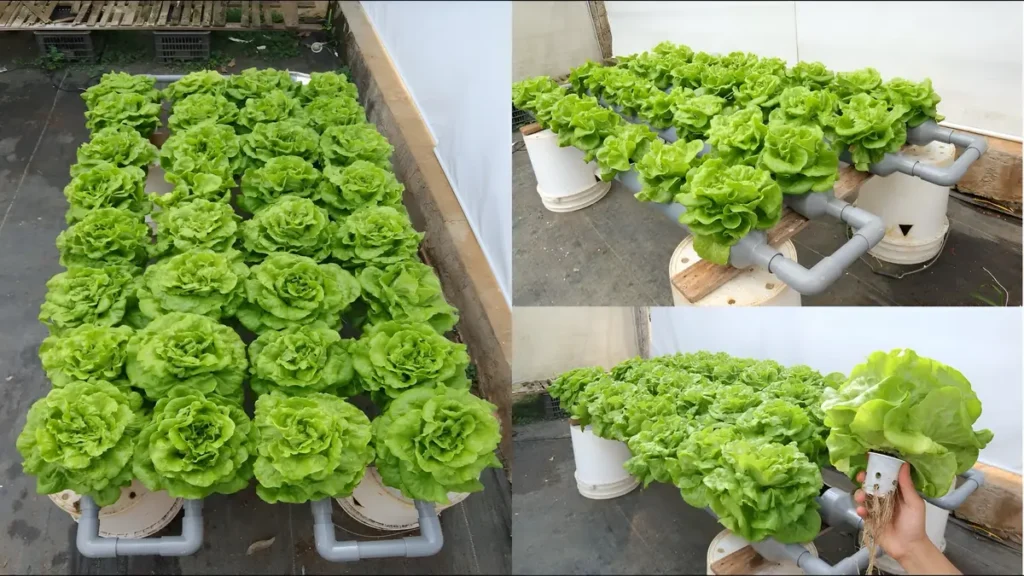
Choosing the right vegetables is the first step for small-space gardens. Fast-growing greens like spinach, lettuce, and kale can be harvested within weeks. Herbs like basil, coriander, and parsley thrive in containers and provide constant flavor for your meals. For fruiting plants, cherry tomatoes and dwarf peppers work perfectly in pots. Picking plants that grow quickly not only keeps your garden lively but also motivates beginners to continue gardening consistently.
Smart Sunlight Planning Pays Off
Sunlight is essential for healthy vegetables. Most plants need 4-6 hours of direct sunlight daily. Observe your home carefully to identify the brightest spots—balconies, terraces, or south-facing windows are ideal. Rotate pots regularly to prevent plants from leaning toward light. If natural sunlight is limited, reflective surfaces or small grow lights can boost growth. Proper sunlight encourages vibrant leaves, stronger stems, and higher yields, turning your small space into a mini vegetable powerhouse.
Soil Matters More Than You Think
Healthy soil is the foundation of every thriving garden. Use nutrient-rich, well-draining soil for pots or raised beds. Mixing organic compost improves texture, adds essential nutrients, and supports beneficial microbes. Balanced fertilizers help promote root strength, lush leaves, and better fruiting. Avoid over-fertilizing, which can harm plants and reduce yield. Regularly monitor soil moisture and color—dark, crumbly soil indicates healthy growth, while pale or dry soil signals nutrient deficiency.
Vertical Gardening Maximizes Space
Limited space doesn’t mean limited yield. Vertical gardening is a game-changer, using trellises, hanging baskets, wall-mounted planters, or stacked pots. Climbing plants like beans, peas, cucumbers, and cherry tomatoes flourish upward, saving ground space. Vertical setups improve air circulation, reduce pests, and simplify harvesting. Even small balconies can host multiple plants with creative arrangements, transforming vertical surfaces into highly productive vegetable zones.
Water Wisely for Strong Growth
Consistent, smart watering ensures healthy plants. Overwatering can drown roots, while underwatering stresses plants and slows growth. Check soil moisture daily, water early morning or late evening to minimize evaporation. Self-watering containers or drip irrigation systems make small-space gardening easier. Mulching soil retains moisture, prevents weeds, and keeps roots cool. A proper watering routine strengthens roots, supports flowers and fruits, and guarantees more nutritious home-grown vegetables.
Natural Pest Control Works Best
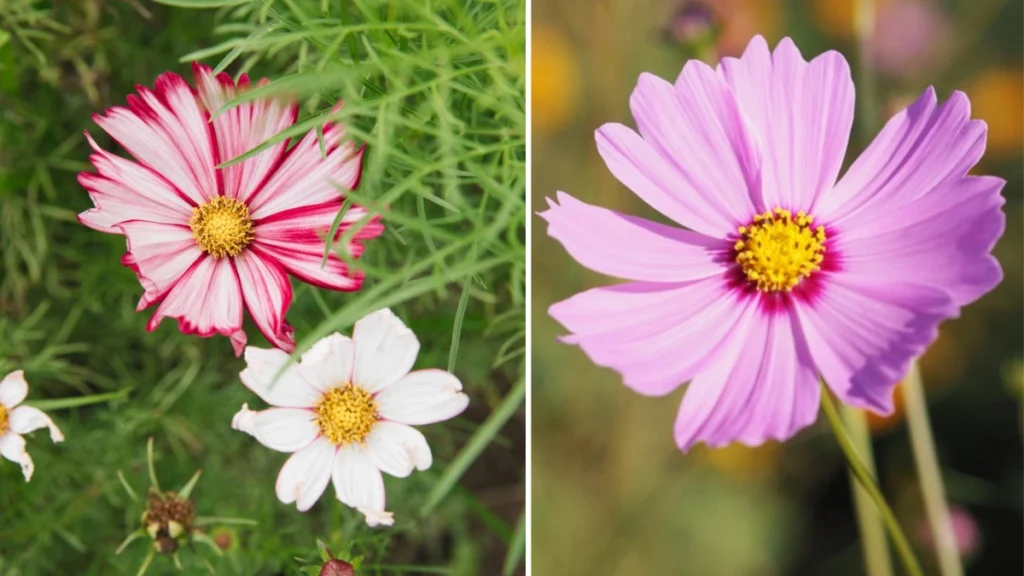
Pests can damage even small gardens. Natural pest control keeps vegetables safe without harmful chemicals. Introduce beneficial insects like ladybugs, lacewings, and spiders to control aphids and mites. Neem oil sprays, garlic-chili solutions, or insecticidal soaps repel common bugs. Remove infected leaves immediately and maintain proper spacing to reduce fungal infections. Companion planting also works: marigolds, nasturtiums, and basil deter pests while attracting pollinators, ensuring chemical-free harvests.
Choose Containers Carefully
Containers are crucial for small-space gardening. Choose pots, grow bags, or recycled containers with proper drainage holes. Larger containers allow deep-rooted plants like carrots, potatoes, and peppers to thrive. Lightweight pots are ideal for balconies or indoor areas, while grouping containers simplifies watering and maintenance. Mix shallow and deep containers for a variety of vegetables. Proper container choice ensures strong root growth, better yields, and healthier plants.
Companion Planting Boosts Growth
Strategically pairing vegetables helps growth and reduces pests naturally. Plant basil near tomatoes to improve flavor and deter insects. Onions with carrots or lettuce with radishes create symbiotic relationships. Marigolds protect roots from nematodes and attract pollinators. Companion planting not only improves yield but also maintains soil health and reduces the need for chemical fertilizers. Planning plant pairings carefully can turn a small garden into a productive, sustainable ecosystem.
Seasonal Planting Schedules Matter
Knowing when to plant maximizes yield and reduces failure. Cool-season vegetables like lettuce, spinach, and radishes thrive in spring and fall. Warm-season crops like tomatoes, peppers, and beans flourish in summer. Adjust sowing times based on your local climate. Seedlings started indoors can extend the growing season. Observing seasonal patterns ensures healthy plants, reduces pest risks, and allows a continuous supply of vegetables throughout the year.
Essential Tools Simplify Gardening
Even small gardens need the right tools for efficiency. Essentials include:
- Hand trowel for planting and transplanting
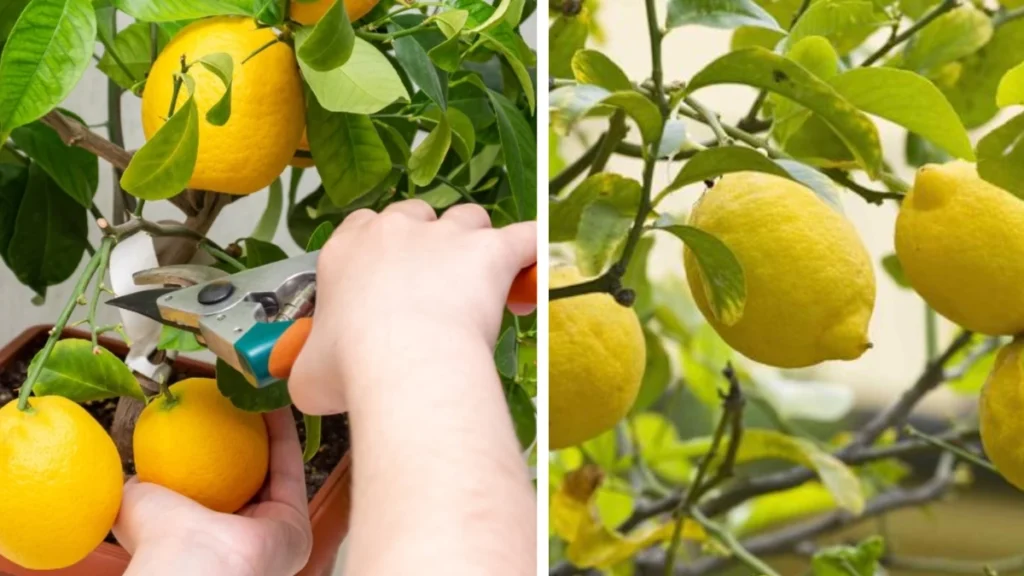
- Pruning shears for shaping plants
- Watering can or hose with a gentle nozzle
- Gloves to protect hands
- Plant markers for organization
These simple tools save time, reduce plant damage, and make your gardening routine more enjoyable. A small investment in quality tools can significantly improve harvests and overall plant health.
Harvest at Peak Freshness
Harvesting at the right time ensures maximum flavor and nutrition. Leafy greens can be picked young for tender leaves, while fruiting vegetables like peppers and tomatoes should be fully colored but firm. Regular harvesting stimulates new growth, prevents overripe produce, and reduces pest attraction. Use clean scissors or hands to avoid plant damage. Observing size, color, and firmness allows you to enjoy fresh, delicious vegetables straight from your home garden.
Easy Vegetables for Small Spaces
Here’s a quick table of vegetables perfect for compact gardening:
| Vegetable | Container Type | Growing Time | Notes |
|---|---|---|---|
| Spinach | Small pot | 4-6 weeks | Harvest continuously |
| Cherry Tomatoes | Large container | 8-12 weeks | Vertical support recommended |
| Basil | Medium pot | 6-8 weeks | Thrives in sunlight |
| Lettuce | Shallow tray | 4-5 weeks | Multiple harvests possible |
| Carrots | Deep container | 10-12 weeks | Loose, sandy soil preferred |
| Peppers | Medium-large pot | 10-12 weeks | Needs consistent watering |
This table helps beginners plan effectively and choose the right vegetables for their limited space.
Enjoy Healthy, Sustainable Living
The ultimate benefit of home gardening is fresh, chemical-free produce at your fingertips. Beyond taste, home-grown vegetables reduce grocery bills, improve nutrition, and support sustainable living. Small-space gardens foster mindfulness, reduce stress, and create a natural hobby for the entire family. Daily care, consistent watering, and proper harvest routines ensure a steady supply of fresh vegetables year-round, making every meal healthier and more satisfying.
Final Word: 2026 Home Vegetable Gardening Tips
Home vegetable gardening in 2026 is easier, smarter, and more productive than ever. With careful plant selection, smart sunlight use, quality soil, and vertical gardening techniques, even tiny spaces can yield abundant vegetables. Using natural pest control, proper containers, and companion planting ensures healthier crops. By following these tips, anyone can enjoy fresh, nutritious, and sustainable vegetables at home, turning small spaces into green havens that benefit both your health and your lifestyle.