2026 Ultimate Dracaena Tips: Greenery instantly transforms indoor spaces, and nothing does it more elegantly than the Dracaena, famously known as the Dragon Plant. Known for its striking leaves and graceful upright growth, Dracaena is perfect for apartments, offices, or cozy home corners. Its low-maintenance nature and air-purifying qualities make it an ideal companion for modern living. Understanding the right care routines can help this plant thrive year-round, bringing energy, freshness, and natural beauty into your home.
Find the Best Light for Growth
Dracaena loves bright but indirect sunlight. Too much direct sun can scorch the leaves, while too little light can stunt growth and make stems leggy. A north- or east-facing window is ideal, or you can use a grow light if natural light is limited. Observing leaf color helps determine comfort—healthy Dracaena leaves should be deep green, sometimes with red, yellow, or white streaks depending on the variety. Perfect lighting keeps your Dragon Plant vibrant.
Water Smartly for Strong Roots
Overwatering is the biggest enemy of Dracaena. Let the top 1–2 inches of soil dry before watering again. Using filtered or rainwater is best, as tap water with chlorine can cause leaf tip browning. Reduce watering in winter because the plant’s growth slows naturally. Always use a pot with proper drainage to prevent waterlogging. A consistent watering routine ensures robust roots and prevents common issues like yellow leaves or root rot.
Choose Soil That Breathes
Dracaena thrives in well-draining soil with good aeration. A mix of peat, perlite, and quality potting soil works perfectly. Avoid heavy or compacted soils that trap moisture and suffocate roots. Refresh the soil every 2–3 years or when repotting to maintain nutrient balance. Good soil not only supports root health but also enhances leaf color, encourages upright growth, and prevents common problems associated with stagnant, waterlogged roots.
Boost Growth with Proper Fertilizer
During the growing season, feed your Dracaena once a month with a balanced liquid fertilizer. This keeps leaves glossy and encourages steady stem growth. Avoid over-fertilizing as it can burn roots and tips. Fertilizer with micronutrients like magnesium, iron, and manganese enhances leaf brightness and overall plant vitality. In winter, cut back on feeding since the plant naturally slows growth. Regular nourishment ensures your Dragon Plant stays a vibrant green centerpiece.
Keep Leaves Dust-Free and Shiny
Dust accumulation on leaves blocks sunlight and slows photosynthesis. Wipe each leaf with a damp cloth every couple of weeks. Inspect for pests like spider mites or mealybugs while cleaning. Remove yellow or damaged leaves to promote fresh growth. Clean, healthy leaves not only enhance your plant’s aesthetic but also improve indoor air quality. This simple care routine ensures your Dragon Plant looks lively, well-groomed, and visually striking in any room.
Control Temperature and Humidity
Dracaena thrives in temperatures between 65–75°F and moderate humidity. Avoid placing it near heaters, air conditioners, or drafty windows. If indoor air is dry, especially in winter, use a small humidifier or mist the plant occasionally. Grouping plants together can also increase humidity naturally. Stable environmental conditions encourage steady growth, reduce leaf tip browning, and make your Dragon Plant resilient against stress. Comfortable surroundings keep it vibrant year-round.
Prune for Fuller Shape
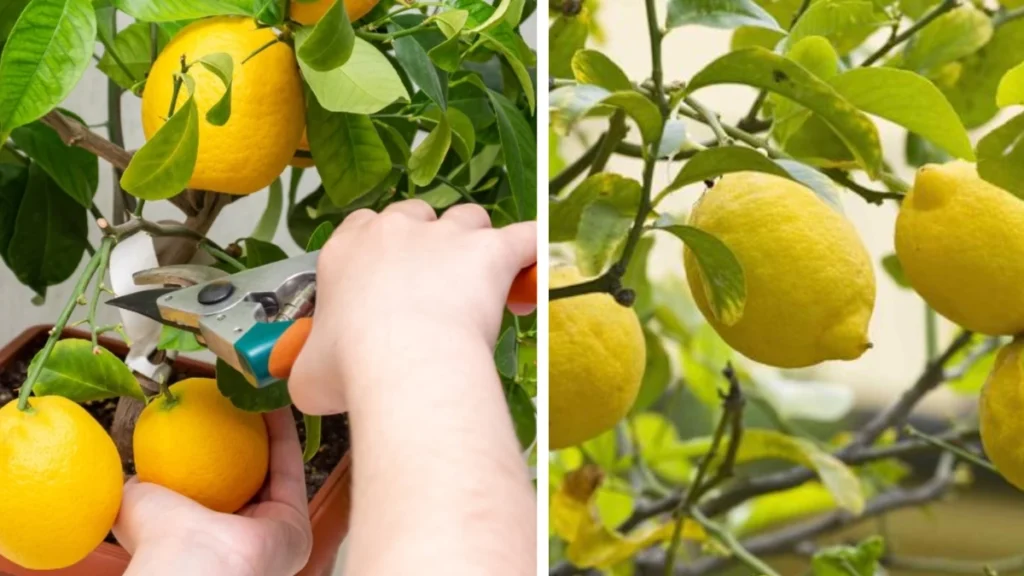
Pruning is essential to maintain height and shape. Trim leggy stems or remove lower leaves to encourage bushier growth. Always use clean, sharp scissors to prevent disease spread. Pruning stimulates new shoots, making your Dracaena look dense and healthy. Regular trimming also ensures it fits well in indoor spaces without overwhelming the area. A well-pruned Dragon Plant becomes a statement piece while staying compact, tidy, and visually appealing.
Repot at the Right Time
Repotting every two to three years is crucial for healthy roots. Choose a pot slightly larger than the current one with excellent drainage. Refresh the soil during repotting to provide new nutrients. Gently loosen the roots to reduce crowding, helping the plant grow stronger and taller. Repotting revitalizes Dracaena, ensuring it continues producing lush foliage while adapting to indoor space requirements. Healthy roots mean a happy, thriving plant.
Recognize Common Leaf Problems
Brown tips, yellow leaves, or drooping are early warning signs of care issues. Brown tips often indicate low humidity or excessive fluoride in water, while yellow leaves may signal overwatering. Adjust watering, lighting, or humidity to restore health. Regular inspection prevents pests and diseases from taking hold. By noticing subtle changes in leaves, you can act quickly, keeping your Dragon Plant thriving and visually impressive.
Propagate for More Plants
Dracaena is easy to propagate through stem cuttings. Cut a healthy stem about 6–8 inches long, let it dry for a day, then plant in moist, well-draining soil. Rooting hormone can accelerate growth. Keep the cutting in indirect light and maintain humidity by covering it with a plastic bag until roots appear. Propagation not only multiplies your greenery but also makes a perfect gift for friends while expanding your indoor jungle effortlessly.
Choose Stylish Containers
The right container enhances both plant health and room aesthetics. Opt for pots with proper drainage and materials like ceramic or terracotta that breathe well. Decorative planters elevate the visual appeal of Dracaena, complementing modern or classic interiors. Choosing the right container size also prevents root crowding and supports balanced growth. Stylish pots make your Dragon Plant a striking centerpiece while keeping it healthy and stable.
Watch for Pests Regularly
Though hardy, Dracaena can occasionally attract pests like spider mites, scale, or mealybugs. Regularly inspect leaves, stems, and soil. Use mild insecticidal soap or neem oil for treatment. Early intervention prevents infestations and protects the plant’s health. Keeping your plant pest-free ensures vibrant leaves and steady growth, making it a stress-free addition to your indoor greenery collection.
Enjoy Air-Purifying Benefits
Dracaena is more than a decorative plant—it actively improves indoor air quality. It filters toxins like formaldehyde, benzene, and trichloroethylene, creating a healthier home environment. Placing multiple plants in living areas enhances oxygen levels and reduces indoor pollutants. This makes Dracaena not just visually appealing but functionally valuable, contributing to a fresher, cleaner, and more energizing indoor space.
Keep Leaves Colorful
Different Dracaena varieties offer unique leaf colors—green, yellow, red, or variegated patterns. Healthy, vibrant leaves require consistent care, proper lighting, and occasional feeding. Removing old or damaged leaves also allows new colors to shine. By paying attention to leaf health, you maintain the plant’s ornamental beauty and create a lively focal point that enhances any interior décor effortlessly.
Incorporate Dracaena in Home Décor
Dracaena’s upright growth and colorful foliage make it ideal for corners, desks, or living room accents. Pairing it with other indoor plants adds depth to your greenery collection. Using decorative stones or mulch on top of the soil enhances its aesthetic appeal. Proper placement ensures it gets enough light and humidity, maximizing both beauty and health. A well-placed Dragon Plant transforms your indoor space into a lush, serene environment.
Conclusion
Dracaena is a versatile, resilient indoor plant that adds elegance, color, and air-purifying benefits to any home. By focusing on proper lighting, watering, soil, fertilization, pruning, and regular observation, your Dragon Plant will thrive year-round. Incorporating it thoughtfully in your interior design enhances both visual appeal and indoor air quality. With consistent care, Dracaena becomes more than just a plant—it’s a vibrant, living companion that brings energy and natural beauty to your indoor spaces.