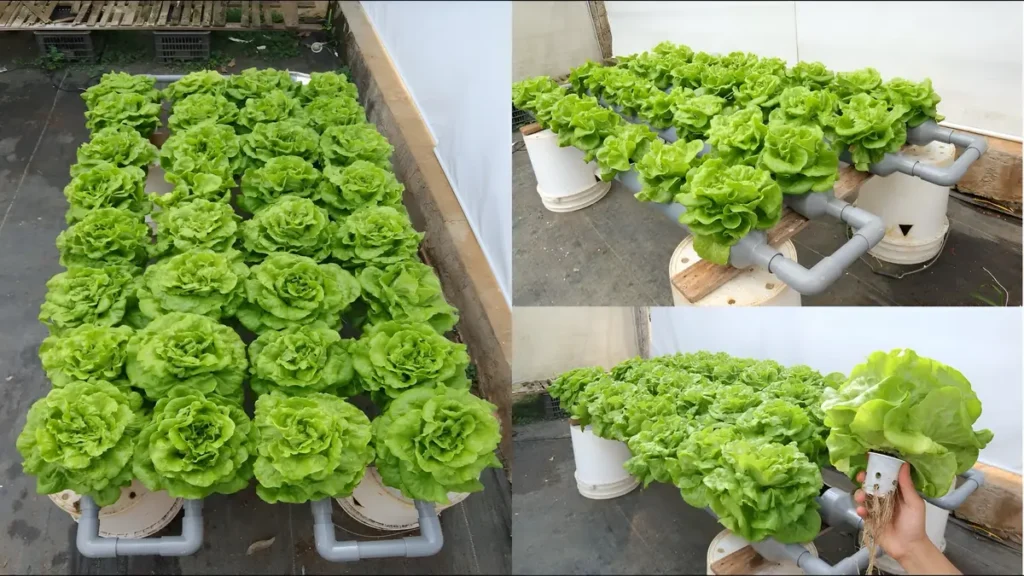
How to Start a Hydroponic Vegetable Garden: Growing your own vegetables at home has never been easier, cleaner, or more rewarding than with hydroponics. Instead of traditional soil gardening, hydroponics uses water and nutrients to grow plants efficiently, even in small spaces like apartments or balconies. This method allows Americans to enjoy fresh, organic vegetables year-round, save money on groceries, and reduce their environmental footprint. Hydroponic gardening is beginner-friendly, fun, and perfect for busy lifestyles. Here’s how you can start your own hydroponic vegetable garden at home the easy way.
Pick the Perfect Spot for Your Garden
Your hydroponic garden needs the right environment to thrive. Choose a location with consistent access to light and water. Sunlit areas like south-facing windows work best, but indoor LED grow lights are ideal for year-round growth. Ensure the spot is well-ventilated and close to an electrical outlet if using pumps or lights. Balconies, basements, or even kitchen counters can work. Proper placement guarantees your plants get the energy they need to grow healthy and vibrant.
Choose the Simplest Hydroponic System
Starting with an easy system is key to success. Beginners in the United States often use these simple setups:
- Deep Water Culture (DWC): Plants float in nutrient-rich water, roots submerged directly. Minimal maintenance and fast growth.
- Wick System: Passive nutrient delivery using wicks, perfect for leafy greens.
- Kratky Method: Low-cost, soil-free hydroponics with no pumps or electricity.
These systems are affordable and easy to assemble with DIY containers or ready-made kits from local stores.
Select Vegetables That Grow Quickly
Some vegetables adapt better to hydroponic systems. For beginners, choose plants that offer fast, reliable harvests:
- Leafy Greens: Lettuce, spinach, kale, arugula
- Herbs: Basil, cilantro, mint, parsley
- Small Fruits: Cherry tomatoes, peppers, baby cucumbers
These plants require less space, grow faster, and help you build confidence before moving on to larger or more delicate crops.
Prepare Nutrient Solutions Properly
Plants in hydroponic systems need water enriched with essential nutrients. You can buy pre-made nutrient mixes or create your own using minerals like:
- Nitrogen (N) for leafy growth
- Phosphorus (P) for strong roots
- Potassium (K) for overall plant health
Maintain a pH level between 5.5–6.5 for optimal nutrient absorption. Using the right solution ensures plants remain healthy, vibrant, and productive.
Ensure Cleanliness and Hygiene
Hydroponic plants are sensitive to algae, pests, and mold. Follow these hygiene tips:
- Clean tanks and containers weekly
- Replace nutrient solutions every 1–2 weeks
- Remove dead leaves or debris promptly
Clean systems reduce the risk of disease, ensuring your vegetables stay healthy and safe to eat. Hygiene is the secret to long-term success in hydroponics.
Monitor Plants Daily for Growth
Daily observation is critical for thriving hydroponic gardens. Check for:
- Nutrient levels in the water
- Leaf color and overall plant health
- Signs of pests or diseases
Adjust lighting, water, and nutrients as needed. Monitoring helps catch issues early, ensuring strong growth and higher yields. Consistent attention makes hydroponic gardening rewarding and interactive.
Harvest Vegetables at Peak Flavor
Harvesting at the right time maximizes flavor and nutrients. Guidelines for common hydroponic crops:
- Lettuce and Spinach: Pick tender leaves when bright green
- Tomatoes: Harvest fully colored but firm fruits
- Herbs: Cut frequently to encourage new growth
Use clean scissors or hands to avoid damaging the plant. Regular harvesting increases production, giving you more fresh produce throughout the season.
Expand Your Garden Gradually
Once comfortable with a small system, expand gradually to maximize output:
- Add extra containers or vertical towers
- Try new vegetables or fruits
- Experiment with companion planting for higher yields
Gradual expansion keeps learning manageable and enjoyable, making hydroponics a rewarding hobby. Sharing your produce with friends or family can also be satisfying.
Save Money with DIY Techniques
Hydroponics can be affordable, especially with smart DIY methods. You can use:
- Reusable containers like buckets or storage bins
- PVC pipes for vertical systems
- Simple pumps and wicks for nutrient delivery
This approach reduces costs while keeping your setup functional. Americans across the country are adopting DIY hydroponics to enjoy fresh vegetables without breaking the bank.
Benefits of Hydroponic Gardening
Hydroponics offers several advantages over traditional gardening:
| Benefit | Description |
|---|---|
| Faster Growth | Plants grow 30–50% faster than soil-grown crops |
| Year-Round Harvest | Controlled environment allows seasonal independence |
| Space Efficiency | Ideal for apartments, small yards, or balconies |
| Water Conservation | Uses up to 90% less water than traditional gardening |
| Pest Reduction | Minimal soil use reduces pest problems |
These benefits make hydroponics a sustainable, modern, and convenient way to grow vegetables at home.
Troubleshooting Common Problems
Even simple hydroponic systems face challenges. Watch for:
- Yellow leaves: Often caused by nutrient imbalance
- Algae growth: Reduce light exposure on water surfaces
- Wilting plants: Check water levels and root health
Regular monitoring and minor adjustments can resolve most issues, keeping your garden productive and healthy.
Use Technology for Smart Gardening
Modern hydroponics allows for smart monitoring using:
- pH and nutrient sensors
- Automated water pumps
- Smartphone apps for lighting and temperature
These technologies save time, reduce errors, and ensure consistent growth. Smart gardening makes hydroponics accessible even for beginners with busy schedules.
Enjoy the Freshest Vegetables
Hydroponic gardening allows you to enjoy vegetables at peak freshness. The flavor is more vibrant, textures are crisper, and nutritional value is higher than store-bought produce. Harvest directly when needed, wash, and serve immediately for the best results. Growing your own vegetables also encourages healthier eating habits and a closer connection to your food.
Final Verdict
Hydroponic gardening at home is an exciting and practical way to grow fresh vegetables, herbs, and fruits all year round. With proper space, simple systems, nutrient solutions, and daily care, anyone in the United States can successfully cultivate their own garden. The process is sustainable, cost-effective, and highly rewarding. Start small, expand gradually, and enjoy the satisfaction of producing organic, garden-fresh vegetables right from your home. Hydroponics transforms gardening into a fun, modern lifestyle.