Grow Mango Tree in a Pot in 2026: Home gardening in the United States is evolving fast, and 2026 is shaping up to be the year of smart fruit gardening. More Americans are growing fruits at home to save money, eat chemical-free produce, and enjoy a greener lifestyle. Mango trees, once considered suitable only for tropical farms, are now successfully grown in pots on balconies, patios, and terraces across warm and moderate US states. With the right techniques, even small home gardens can support a healthy, fruiting mango tree.
Why Mango In Pots Works
Growing mango in a pot is no longer an experiment, it is a proven method. Container gardening allows better control over soil quality, watering, and sunlight exposure. In the US, this method is especially useful for people living in apartments or townhomes. Pots also make it easy to move the plant indoors during frost. With dwarf varieties and modern care methods, mango trees adapt surprisingly well to limited spaces without compromising fruit quality.
Best Mango Varieties For US Homes
Choosing the right mango variety is critical for success in the United States. Not all mango trees are suitable for pots or cooler climates. Dwarf and semi-dwarf grafted varieties perform best and start fruiting earlier.
Recommended mango varieties for pot growing in the US
- Pickering mango for compact growth
- Glenn mango for sweet flavor and disease resistance
- Carrie mango for indoor friendly size
- Nam Doc Mai for warm states like Florida and Texas
- Amrapali for patios and terraces
Always buy grafted plants from a certified US nursery to ensure faster fruiting and true variety results.
Pot Size And Container Selection
Pot selection plays a huge role in long-term growth. Mango trees need space for roots, even in containers. A pot that is too small restricts growth and delays fruiting.
Ideal pot guidelines
- Minimum 20 to 24 inch diameter
- Depth at least 18 inches
- Drainage holes are mandatory
- Use grow bags, resin pots, or terracotta containers
As the tree grows, repotting every two to three years keeps roots healthy and prevents stress.
Soil Mix That Accelerates Growth
Soil quality decides how fast your mango tree grows. Regular garden soil alone is not enough for container mango trees in the US climate. A well-draining yet nutrient-rich mix is essential.
Best soil mix ratio
- 40 percent high-quality potting soil
- 30 percent compost or aged manure
- 20 percent coco peat or peat moss
- 10 percent perlite or coarse sand
This mix prevents waterlogging, supports strong root growth, and improves nutrient absorption throughout the year.
Sunlight Requirements Explained
Mango trees are sun lovers and require consistent exposure to thrive. In the United States, sunlight availability varies by region, but mango trees generally need full sun.
Sunlight needs
- Minimum 6 hours of direct sunlight
- 8 hours preferred for flowering and fruiting
- South-facing balconies and patios work best
- Rotate the pot monthly for even growth
Lack of sunlight leads to weak branches and delayed fruit production, even if other care is perfect.
Watering Schedule That Works
Overwatering is the biggest mistake beginners make. Mango trees prefer deep but infrequent watering. The goal is moist soil, not soggy roots.
Watering tips
- Water when top 2 inches of soil are dry
- Summer watering every 2 to 3 days
- Winter watering once a week or less
- Always let excess water drain out
In humid states like Florida, reduce watering frequency to avoid fungal problems.
Fertilizer Plan For Fast Results
Fertilizing mango trees in pots requires balance. Too much fertilizer causes leaf growth but fewer fruits. Organic feeding works best for home gardeners.
Monthly organic feeding options
- Vermicompost
- Fish emulsion
- Seaweed extract
- Banana peel liquid fertilizer
Seasonal nutrient focus
| Growth Stage | Nutrient Priority |
|---|---|
| Vegetative growth | Nitrogen |
| Flowering stage | Phosphorus |
| Fruit development | Potassium |
This feeding strategy encourages faster growth and better fruit quality.
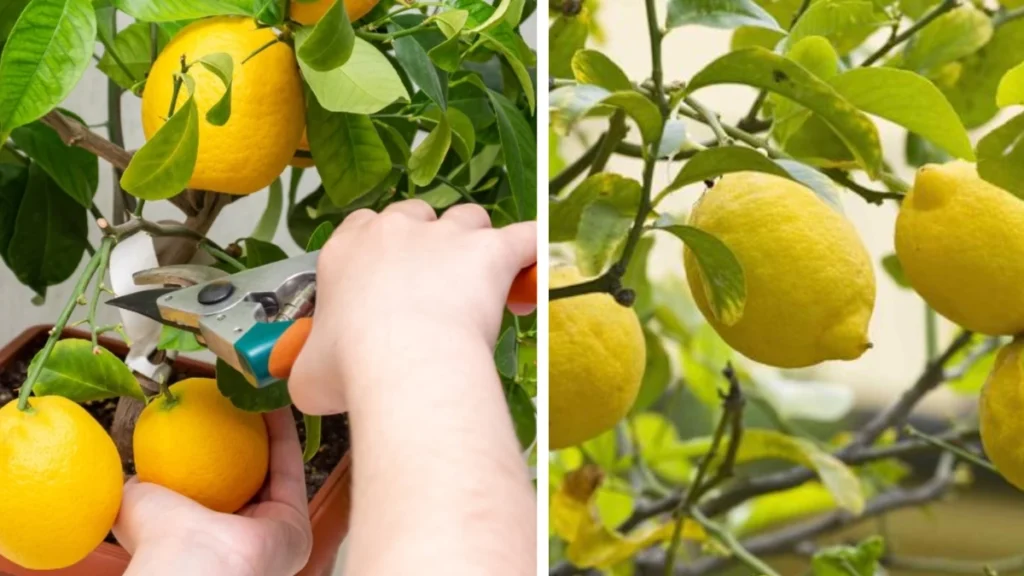
Pruning For Compact Shape
Pruning keeps mango trees manageable in small spaces. It also improves airflow and sunlight penetration. In the US, pruning is best done after harvest or in early spring.
Pruning benefits
- Controls plant height
- Encourages side branching
- Improves fruit size
- Reduces pest problems
Remove weak, inward-growing, and crossing branches to maintain a strong structure suitable for pots.
Temperature And Frost Protection
Mango trees are sensitive to cold, which is important for many US regions. While they thrive outdoors in warm months, winter protection is essential.
Cold protection methods
- Move pots indoors during frost
- Use frost cloths on chilly nights
- Keep near sunny windows in winter
- Avoid cold drafts indoors
Mango trees prefer temperatures above 40°F and suffer damage below freezing.
Pest And Disease Control Naturally
Container-grown mango trees are less prone to pests, but issues can still arise. Early detection is key to preventing damage.
Common pests
- Aphids
- Mealybugs
- Spider mites
Natural control solutions
- Neem oil spray every two weeks
- Insecticidal soap for heavy infestations
- Proper airflow and clean surroundings
Avoid chemical pesticides as they affect fruit safety and soil health.
How Long Until Mangoes Appear
Patience is essential when growing mango trees in pots. Grafted plants usually start flowering earlier than seed-grown trees.
Expected timeline
- First year focuses on root growth
- Second year shows strong vegetative growth
- Flowering may start in year two or three
- Fruits mature in three to five months after flowering
Consistent care shortens the waiting period significantly.
Common Mistakes To Avoid
Many failures happen due to small but critical mistakes. Avoiding these ensures steady progress.
Mistakes to watch out for
- Using oversized pots too early
- Overwatering in winter
- Poor drainage
- Ignoring sunlight needs
- Skipping pruning entirely
Correcting these habits early leads to healthier and faster-growing plants.
Conclusion
Growing a mango tree in a pot in 2026 is a realistic goal for home gardeners across the United States. With the right variety, proper pot size, quality soil, and consistent care, balconies and patios can produce fresh, homegrown mangoes. Container gardening offers flexibility, control, and sustainability, making it ideal for modern American homes. Start with the basics, stay patient, and enjoy the journey from a small sapling to sweet mango harvests right at home.