How to Grow Guava Successfully: Guava is quietly becoming a favorite fruit tree for home gardeners across the United States. From Florida and Texas to California and even protected zones in Arizona, this tropical plant adapts surprisingly well when given the right conditions. Homegrown guava delivers fresher flavor, better nutrition, and full control over chemicals and care. With smart sunlight placement, proper soil preparation, and efficient watering, guava can thrive in American backyards, patios, and even large containers.
Guava Fits American Home Gardens
Guava works well for US gardeners because it grows fast, stays manageable in size, and produces fruit within a short time. Unlike many fruit trees that take years, guava rewards patience early. It tolerates heat, occasional cold snaps, and varied soil conditions when planted correctly. For homeowners looking to add an edible plant without complex maintenance, guava checks every box. It also adds visual appeal with glossy leaves and fragrant flowers.
Climate Zones That Work Best
Guava grows best in warm regions, but modern planting methods allow success in more areas than expected. In the US, it performs well outdoors in USDA zones 9 to 11. Gardeners in cooler zones can still grow guava using containers and winter protection.
Best-suited US regions include:
- Florida and southern Georgia
- Southern Texas and Gulf Coast
- Southern California
- Parts of Arizona and Nevada
Cold protection methods such as frost cloths and moving pots indoors extend growing potential significantly.
Sunlight That Drives Fruit Growth
Sunlight is the biggest growth driver for guava. A plant that receives full sun develops stronger branches, healthier leaves, and sweeter fruit. Partial shade leads to fewer flowers and slow growth. The ideal placement allows six to eight hours of direct sunlight daily, preferably morning to mid-afternoon exposure. In extremely hot states, slight afternoon shade can prevent leaf stress, but full sun remains the priority.
Soil Preparation That Actually Matters
Guava grows best in loose, well-draining soil that allows oxygen to reach the roots. Poor drainage causes root diseases and stunted growth. Before planting, improving soil structure makes a massive difference.
Ideal soil characteristics:
- Slightly acidic to neutral pH
- Rich organic matter
- Fast drainage with moisture retention
Recommended soil mix for US gardens:
- Native soil
- Compost or aged manure
- Sand or perlite for drainage
Avoid heavy clay unless amended properly.
Watering Hacks That Prevent Root Rot
Watering mistakes are the most common reason guava plants fail. Guava prefers deep, infrequent watering rather than daily light watering. This method trains roots to grow deeper and stronger.
Smart watering guidelines:
- Water young plants 2–3 times weekly
- Mature plants once weekly
- Increase frequency during extreme heat
- Reduce watering in winter
Always check soil moisture before watering. Soggy soil is more harmful than mild dryness.
Container Growing Made Simple
Guava is an excellent choice for container gardening, especially in northern US states. A large pot allows mobility during cold weather and better control over soil quality.
Container essentials:
- Minimum 20–24 inch deep pot
- Drainage holes at the bottom
- Lightweight, well-draining soil mix
Container-grown guava may need more frequent watering and feeding but often produces fruit just as well as ground-planted trees.
Fertilizing Without Overdoing It
Guava responds best to moderate, consistent feeding. Over-fertilizing leads to leafy growth with little fruit. Organic nutrition works especially well for home growers.
Best fertilizer approach:
- Compost every 3–4 months
- Balanced fertilizer during spring
- Extra potassium during flowering
Avoid excessive nitrogen. Leafy growth looks healthy but reduces flowering and fruit formation.
Pruning That Boosts Production
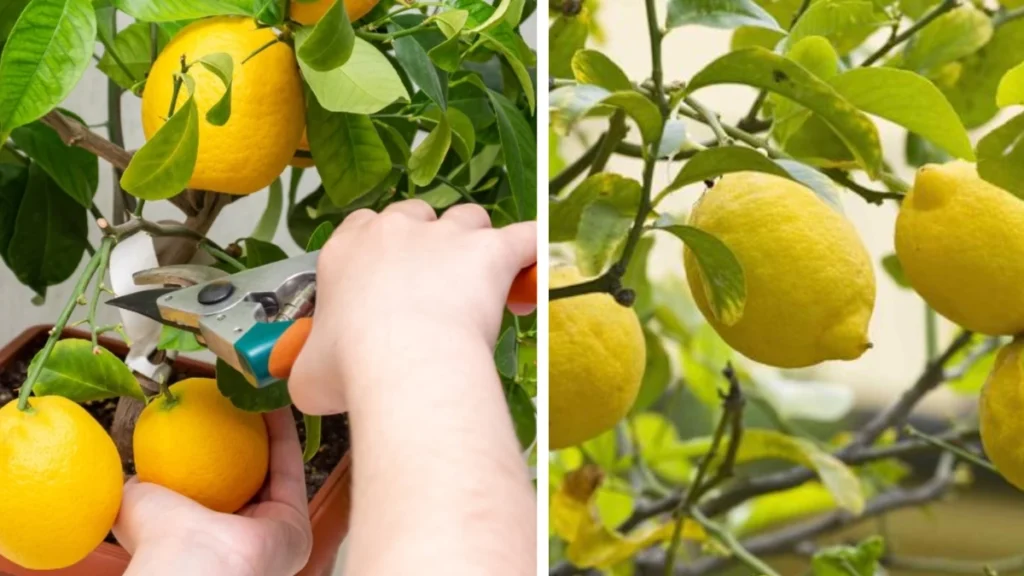
Pruning keeps guava productive and manageable. Fruit forms on new growth, making pruning a powerful tool. Light pruning after harvest stimulates fresh shoots and improves air circulation.
Pruning benefits include:
- Better fruit size
- Reduced pest problems
- Improved sunlight exposure
Remove dead, weak, or overcrowded branches regularly. For container plants, pruning also controls height.
Common Pests In The US
Guava in the United States may attract pests, but serious damage is rare when plants are healthy. The most common issues are fruit flies, aphids, and whiteflies.
Natural control methods:
- Neem oil spray
- Sticky traps for fruit flies
- Hand removal for small infestations
Avoid harsh chemicals, especially when fruits are forming. Healthy soil and airflow prevent most pest problems naturally.
Flowering And Fruit Timeline
Guava grows quickly compared to other fruit trees. Grafted plants often fruit within the first year, while seed-grown plants take longer.
Typical timeline:
- Flowering begins in spring or early summer
- Fruits mature in 3–4 months
- Multiple harvests possible in warm states
Fruits are ready when they soften slightly and release a sweet aroma.
Nutritional Value Worth Growing
Guava is considered a superfruit due to its high vitamin and fiber content. Homegrown guava retains more nutrients than store-bought varieties.
Key nutritional highlights:
- High Vitamin C content
- Rich dietary fiber
- Antioxidants for immunity
- Low calorie fruit option
Growing guava at home ensures fresher, chemical-free nutrition.
Ground vs Container Comparison
| Feature | Ground Planting | Container Growing |
|---|---|---|
| Climate flexibility | Limited | High |
| Growth size | Larger | Controlled |
| Cold protection | Harder | Easier |
| Water control | Moderate | Easy |
| Maintenance | Lower | Slightly higher |
Both methods work well depending on location and lifestyle.
Harvesting For Best Flavor
Harvesting at the right time makes a noticeable difference in taste. Guava picked too early lacks sweetness, while overripe fruit spoils quickly.
Harvest tips:
- Pick when fruit turns light yellow
- Slight softness indicates ripeness
- Use clean clippers to avoid damage
Fresh guava can be eaten raw or used in juices, jams, and desserts.
Final Word: How to Grow Guava Successfully
Guava is one of the most rewarding fruit plants for US home gardeners. It grows fast, adapts well, and delivers nutrient-rich fruit with minimal effort. With proper sunlight, improved soil, smart watering, and light pruning, guava thrives in both backyards and containers. Whether you live in Florida or a cooler state using pots, guava offers a reliable path to fresh, homegrown fruit that tastes better than anything from the store.