2026 Container Guava Tree Guide: Growing guavas at home is no longer limited to large gardens or orchards. With the container gardening method, anyone can enjoy fresh, juicy guavas straight from their balcony, patio, or small backyard. Container-grown guava trees are perfect for city dwellers and plant enthusiasts looking for convenience, control, and delicious harvests. With the right care, variety selection, and smart maintenance, you can enjoy a year-round supply of aromatic guavas without needing acres of land.
Pick the Right Container Size for Success
The container size directly impacts root growth, tree health, and fruit production. For guavas, choose a pot that is at least 24–30 inches in diameter and 20–24 inches deep. Containers with proper drainage holes prevent waterlogging, which can lead to root rot. Materials like fiberglass, plastic, or ceramic work well, but lightweight options are easier to move for sun exposure. Consider a pot on wheels for flexibility, especially during heavy rains or extreme heat.
Select Container-Friendly Guava Varieties
Not all guavas thrive in pots. Dwarf and semi-dwarf varieties are best for container growth. Here are some ideal options:
| Variety | Fruit Size | Taste | Fruiting Time | Notes |
|---|---|---|---|---|
| Lucknow 49 | Medium | Sweet | 6–8 months | Compact growth |
| Thai Seedless | Small | Mildly Sweet | 5–6 months | Very compact, low maintenance |
| Allahabad Safeda | Large | Sweet & Aromatic | 8 months | Needs more space |
Choosing the right variety ensures better yields, easier pruning, and healthier trees in limited spaces.
Use High-Quality Soil and Potting Mix
Soil is the foundation of a healthy guava tree. Use a well-draining potting mix containing:
- 50% garden soil
- 30% compost or organic manure
- 20% coarse sand
Ensure the pH is slightly acidic to neutral (5.5–7). Adding vermicompost or slow-release organic fertilizers supports root and foliage growth. Refresh the topsoil every season to maintain nutrients and avoid soil compaction, which can hinder fruit production. Healthy soil directly influences the sweetness and size of guavas.
Maximize Sunlight Exposure Daily
Guava trees love sun and need 6–8 hours of direct sunlight per day. Place your container in a sunny spot on balconies, terraces, or patios. For uneven sunlight, rotate the pot weekly to promote uniform growth. Insufficient sunlight can delay flowering and reduce fruiting. If natural sunlight is limited, supplement with full-spectrum grow lights, especially during winter or rainy seasons, to keep your tree productive.
Watering Techniques for Juicy Fruits
Container guavas require careful watering to avoid root issues. Follow these guidelines:
- Water deeply when the top 1–2 inches of soil is dry
- Reduce watering during winters
- Avoid leaving water standing in the saucer
- Mulch the soil surface to retain moisture
Proper watering prevents fruit drop, encourages strong roots, and ensures plump, sweet guavas. Overwatering is the most common mistake, so always monitor soil moisture before adding water.
Prune Smartly to Boost Yield
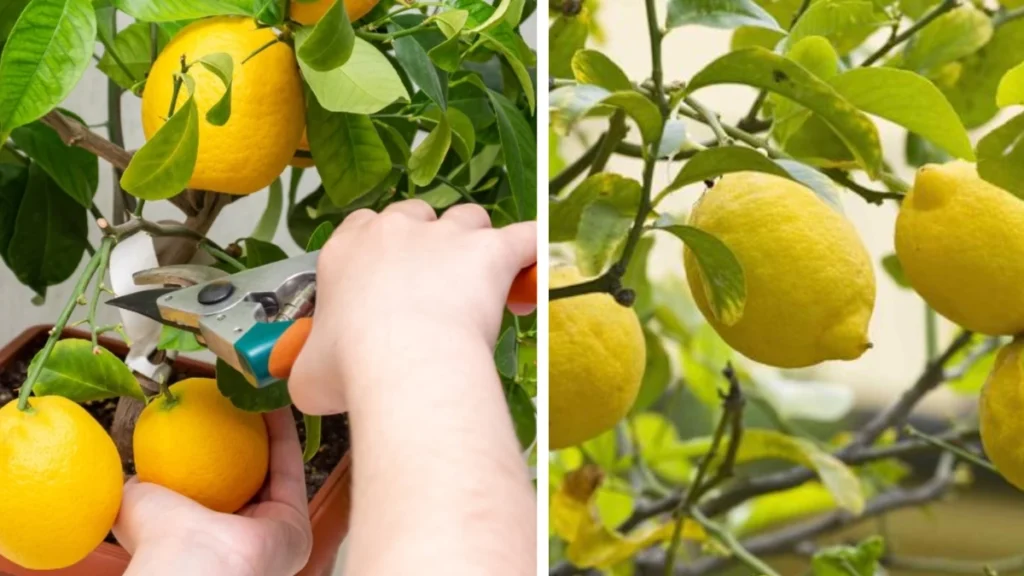
Pruning is essential to maintain shape, airflow, and fruit production. Focus on:
- Removing dead, weak, or diseased branches
- Trimming overcrowded areas to allow sunlight penetration
- Cutting older branches to encourage new fruiting shoots
Pruning after each harvest or during early growth stages keeps the tree manageable and improves fruit quality. Well-pruned trees produce more flowers and sweeter guavas with less pest pressure.
Fertilize Regularly for Optimal Growth
Container guavas deplete nutrients faster than garden-grown ones. Use a combination of:
- Organic fertilizers: compost, fish emulsion, cow dung slurry
- Chemical fertilizers: NPK (10:10:10) for balanced growth
- Micronutrients: magnesium, calcium, and boron for flowering and fruit development
Feed the tree every 6–8 weeks. Fertilization enhances flowering, strengthens immunity against pests, and ensures juicy, flavorful fruits.
Flowering and Pollination Tips
Guava flowers are self-pollinating, but a gentle hand can increase fruit set. Use a soft brush to transfer pollen between flowers, especially in indoor setups or low-insect areas. Flowering usually begins 6–8 months after planting, and proper sunlight, fertilization, and pruning will ensure maximum fruiting potential.
Harvest at Peak Ripeness
Knowing when to harvest is critical for flavor. Look for:
- Skin color turning from green to light yellow or pink, depending on variety
- Slightly soft texture when pressed gently
- Sweet aroma signaling optimal ripeness
Use scissors or gently twist the fruit to avoid damaging the branch. Regular harvesting promotes continuous flowering and fruiting throughout the year.
Protect from Pests and Diseases
Container guavas are susceptible to pests like aphids, fruit flies, mealybugs, and scale insects. Fungal diseases like anthracnose can also appear in humid conditions. Prevention tips:
- Inspect leaves and fruits weekly
- Use organic pesticides like neem oil
- Remove infected leaves promptly
- Maintain proper airflow around the plant
Healthy trees yield better fruit and require fewer chemical interventions.
Seasonal Care Checklist
Maintaining a container guava tree requires seasonal attention:
- Spring: Repot if roots outgrow the container, fertilize, prune lightly
- Summer: Regular watering, mulching, monitor for fruit flies
- Monsoon: Protect from heavy rains, ensure drainage
- Winter: Reduce watering, ensure sunlight, protect from frost
Following this checklist ensures your tree remains vibrant and productive year-round.
Enjoy Homegrown Guavas Every Day
The ultimate reward of container guava gardening is fresh, chemical-free guavas anytime. Use them for:
- Smoothies and juices
- Jams and preserves
- Salads or raw snacking
With proper care, container-grown guavas are sweeter and more aromatic than store-bought options. Your balcony or terrace becomes a fruitful oasis, providing both taste and satisfaction.
Conclusion: 2026 Container Guava Tree Guide
Growing guavas in containers is a practical and rewarding way to enjoy tropical fruits at home. By selecting the right container, soil, variety, and following proper care techniques—including watering, pruning, fertilization, and pest management—you can harvest juicy, flavorful guavas year-round. Container guava trees offer flexibility, space efficiency, and consistent yield, making them perfect for both beginners and experienced gardeners. Start today and transform your small space into a homegrown guava paradise.