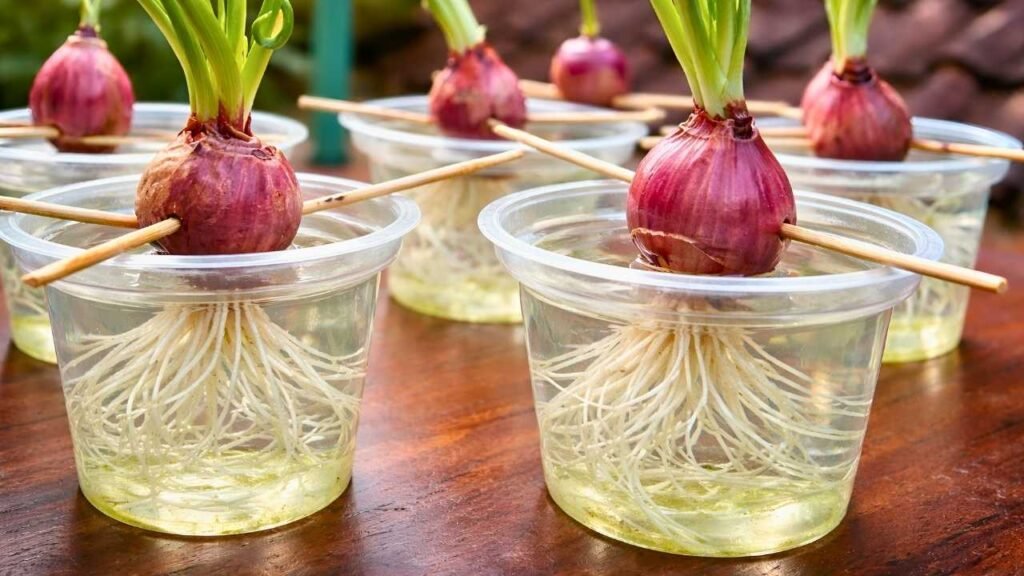
Onion Grow Solutions 2026: Onion farming in 2026 has become a skill-driven activity rather than a routine seasonal task. Farmers are no longer depending only on rainfall patterns or traditional fertilizer schedules. Rising production costs, unstable weather, and strict quality expectations from markets have changed how onions are grown today. To stay profitable, growers must understand modern crop needs, apply nutrition with precision, and follow growth strategies that support both yield and quality. This article presents completely fresh and updated onion grow solutions designed for farmers who want stable income and long-term success.
Soil Planning That Builds Profit
Soil is the backbone of onion productivity, and careless preparation often leads to weak crops and uneven bulbs. Onions require loose, fertile, and well-drained soil that allows free root expansion and proper bulb formation. In 2026, farmers are focusing more on soil structure rather than only nutrient quantity. Fields enriched with organic matter show better moisture retention and microbial activity. Deep tillage improves aeration, while balanced soil pH ensures efficient nutrient uptake, resulting in uniform bulbs and improved yield potential.
Nursery Strength Decides Yield
Strong onion seedlings create a solid foundation for high productivity. Weak or thin seedlings struggle to establish after transplanting, causing delayed growth and uneven bulb sizes. Farmers in 2026 are improving nursery management by maintaining proper spacing, controlled irrigation, and balanced nutrition. Healthy seedlings with sturdy stems and active roots adapt quickly to field conditions. Early vigor helps plants resist stress and absorb nutrients efficiently, directly influencing final bulb size and crop uniformity.
Nutrition Timing Makes The Difference
Onion crops respond best to nutrients when applied at the right stage. Overfeeding or underfeeding at the wrong time reduces bulb quality and market value. In 2026, growers are following stage-based nutrition strategies. Nitrogen supports early leaf growth, phosphorus strengthens roots, and potassium becomes critical during bulb formation. Sulphur improves bulb density and pungency. Correct nutrient timing results in larger bulbs, better skin formation, and reduced chances of hollow or lightweight onions.
Micronutrients No Longer Optional
Micronutrients are now considered essential for commercial onion farming. Deficiencies in zinc, boron, calcium, or magnesium can silently reduce yield and storage life. In 2026, farmers are applying micronutrients proactively instead of waiting for visible symptoms. Balanced micronutrient availability improves cell strength, bulb firmness, and resistance to physiological disorders. Proper micronutrient management ensures better bulb shape, reduces deformities, and enhances shelf life during long storage and transportation.
Growth Promoters That Support Crops
Modern growth promoters are designed to support plant health rather than force unnatural growth. In 2026, farmers prefer products that improve nutrient efficiency and help plants recover from stress. Natural-based growth promoters such as seaweed extracts improve hormonal balance, while amino acids support metabolic activity. Humic substances strengthen root systems and improve soil nutrient availability. When used at critical growth stages, these inputs improve bulb uniformity and overall plant vigor without increasing chemical dependency.
Irrigation Control Saves Bulbs
Water management is one of the most sensitive factors in onion farming. Excess moisture leads to root diseases and bulb rot, while water stress reduces bulb size and weight. In 2026, farmers are moving toward precision irrigation practices. Drip systems help deliver water directly to the root zone, reducing wastage and disease risk. Adjusting irrigation according to crop stage improves bulb firmness and skin quality. Reduced watering before harvest also improves storage life and market readiness.
Weed Pressure Must Be Early
Weeds compete aggressively with onion crops, especially during early growth stages. Since onions have shallow roots, weed competition can permanently reduce yield. Farmers in 2026 are focusing on early weed management rather than late correction. Clean fields during the first few weeks after transplanting ensure better nutrient availability and faster crop establishment. Effective weed control improves plant strength, bulb size, and uniformity, directly contributing to higher market returns.
Pest Control With Prevention Focus
Pest pressure in onion crops has increased due to climate variability. Thrips remain the most damaging pest, affecting leaf health and reducing bulb size. In 2026, farmers are adopting preventive pest management strategies instead of frequent chemical sprays. Balanced nitrogen application helps reduce pest attraction. Regular field observation allows early intervention before damage becomes severe. Healthy foliage supports efficient photosynthesis, which is essential for strong bulb development and consistent yield.
Disease Management Starts Early
Onion diseases often develop unnoticed until yield losses are already high. In 2026, disease management focuses on prevention through better planning. Proper drainage, clean planting material, and crop rotation reduce disease pressure significantly. Farmers are also rotating fungicides to prevent resistance buildup. Maintaining healthy roots and foliage ensures steady nutrient flow to bulbs, resulting in improved size, color, and storage performance.
Field Practices That Shape Bulbs
Small field management decisions have a big impact on onion quality. Proper spacing improves airflow and reduces disease risk. Light earthing-up during bulb initiation supports proper bulb expansion. Avoiding deep cultivation near developing bulbs prevents mechanical injury. Removing flower stalks at the right time prevents energy loss. These practical field techniques improve bulb shape, reduce splitting, and enhance overall market acceptance.
Harvest Timing Protects Value
Harvest timing plays a critical role in determining onion quality and storage life. Harvesting too early leads to immature bulbs with poor keeping quality, while delayed harvesting increases losses during storage. Farmers in 2026 rely on crop maturity signs such as neck fall and leaf drying instead of fixed dates. Proper curing after harvest allows outer skins to dry naturally, improving bulb appearance and reducing disease risk.
Storage Planning Adds Income
Post-harvest management is now seen as an essential part of onion farming. In 2026, farmers focus on proper curing, ventilation, and grading to reduce storage losses. Removing damaged bulbs before storage prevents disease spread. Well-managed storage maintains bulb firmness and weight, allowing farmers to sell when market prices improve. Better storage planning converts good yield into real profit rather than post-harvest loss.
Conclusion
Onion grow solutions in 2026 are built around precision, efficiency, and informed decision-making. From soil preparation and nursery care to nutrition management, growth promoters, irrigation control, and harvest timing, every step affects profitability. Farmers who adopt these modern practices achieve higher yields, better bulb quality, longer storage life, and improved market value. Onion farming remains profitable for growers who stay updated, plan scientifically, and focus on long-term sustainability instead of outdated methods.