Ultimate Grapefruit Tree Growing Guide 2026: Growing your own grapefruit tree is more than just gardening—it’s about creating a lifestyle filled with freshness, health, and joy. Grapefruits are among the most rewarding citrus fruits to cultivate, offering vibrant flavor, nutritional benefits, and a touch of tropical beauty to your backyard. With the right knowledge and care, anyone can transform a small sapling into a flourishing tree that delivers baskets of juicy fruits year after year. This guide will take you through every detail, ensuring your grapefruit journey in 2026 is a success.
Picking the best grapefruit variety
Choosing the right variety is the foundation of your grapefruit adventure. Ruby Red is famous for its sweet, tangy flavor and striking pink flesh, while Oro Blanco offers a milder taste with less bitterness. Star Ruby thrives in warm climates and produces deep red fruits packed with juice. Consider your local climate, soil type, and taste preferences before making a choice. The right variety ensures your tree adapts well and produces fruits that match your palate perfectly.
Preparing soil for strong roots
Healthy soil is the secret to a thriving grapefruit tree. These citrus plants prefer sandy loam that drains well yet retains enough moisture to nourish roots. Aim for a pH between 6.0 and 7.0, slightly acidic to neutral. Enrich the soil with compost, aged manure, or organic matter to boost fertility. Proper soil preparation not only supports root development but also protects against diseases. A well-prepared base ensures your tree grows strong and resilient from the very beginning.
Planting with precision and care
Planting correctly sets the stage for long-term success. Dig a hole twice as wide as the root ball but no deeper, ensuring the tree sits level with the ground. Place it in a sunny location where it will receive at least six hours of direct sunlight daily. After planting, water generously to settle the soil around the roots. Mulch around the base to retain moisture and regulate temperature. With careful planting, your grapefruit tree will establish quickly and grow vigorously.
Watering for steady growth
Watering is one of the most critical aspects of grapefruit care. Young trees need deep watering once or twice a week, depending on weather conditions. As the tree matures, reduce frequency but increase depth to encourage strong root systems. Avoid overwatering, as soggy soil can lead to root rot. A simple rule is to check the top few inches of soil—if dry, it’s time to water. Balanced hydration ensures lush foliage and juicy fruits throughout the growing season.
Feeding with balanced nutrients
Grapefruit trees thrive when fed regularly with the right nutrients. Use a citrus-specific fertilizer rich in nitrogen, potassium, and micronutrients. Apply fertilizer three times a year—spring, summer, and early fall—for optimal growth. Slow-release options provide steady nutrition without overwhelming the roots. Supplement with organic compost to enhance soil health. Proper feeding strengthens the tree, boosts flowering, and ensures your grapefruits develop their signature sweetness and vibrant color. A well-fed tree is a productive tree.
Pruning for maximum harvest
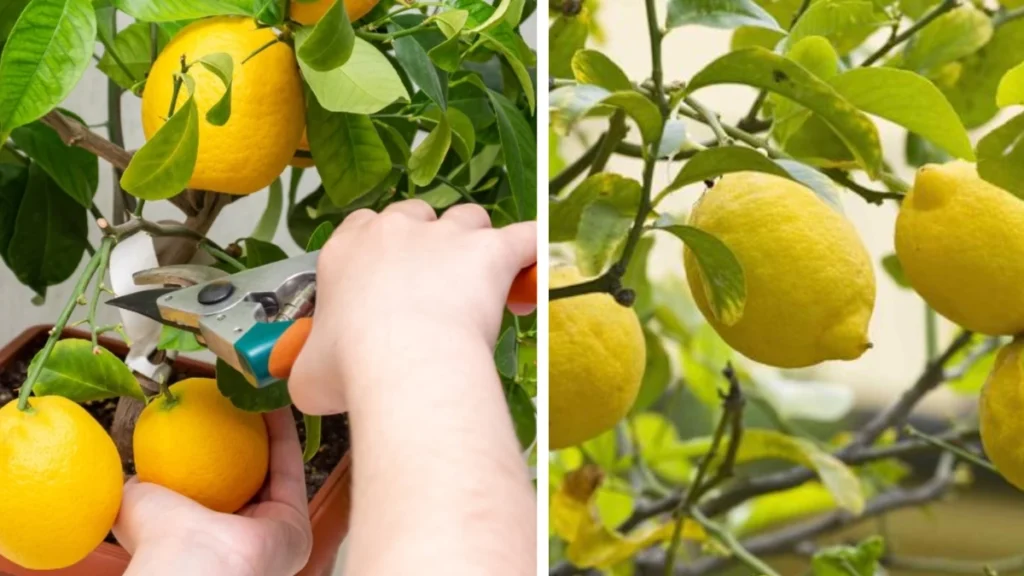
Pruning is essential for both tree health and fruit production. Remove dead or diseased branches to improve airflow and reduce pest risks. Thin out crowded areas to allow sunlight to reach inner branches. Pruning in late winter or early spring encourages new growth and healthier fruiting. A well-pruned grapefruit tree not only looks attractive but also produces larger, juicier fruits. Regular pruning keeps your tree manageable and ensures consistent harvests year after year.
Protecting against common pests
Grapefruit trees can attract pests like aphids, scale insects, and citrus leaf miners. Regular inspection helps catch problems early. Natural remedies such as neem oil or insecticidal soap are effective and eco-friendly. Encouraging beneficial insects like ladybugs also keeps harmful pests in check. Healthy trees are more resilient, so maintaining proper watering and feeding reduces vulnerability. With proactive care, you can enjoy a pest-free tree that thrives and produces abundant citrus fruits.
Guarding against plant diseases
Diseases such as citrus canker and root rot can threaten grapefruit trees. Preventive measures are key—avoid overhead watering, ensure good drainage, and keep the area around the tree clean. Copper-based sprays can help control fungal infections, while removing infected branches prevents spread. Monitoring your tree regularly ensures early detection and treatment. A vigilant approach keeps your grapefruit tree healthy, allowing it to flourish and deliver sweet harvests without interruption.
Supporting with seasonal care
Seasonal care ensures your grapefruit tree adapts to changing conditions. In spring, focus on fertilizing and pruning to encourage new growth. Summer requires consistent watering and pest monitoring. Autumn is the time to prepare for harvest, while winter calls for protection against frost in colder regions. Covering young trees or using frost cloths can prevent damage. By tailoring care to each season, you give your tree the best chance to thrive year-round.
Harvesting ripe grapefruits
The highlight of your grapefruit journey is the harvest. Fruits are ready when they turn vibrant yellow or pink, depending on the variety. Ripe grapefruits feel heavy and give slightly when gently squeezed. Harvest by cutting the fruit from the stem rather than pulling, to avoid damaging branches. Grapefruits typically ripen in late fall through winter, offering a refreshing treat during cooler months. Picking at peak ripeness ensures maximum flavor, juiciness, and nutritional value.
Storing and savoring fruits
Freshly harvested grapefruits can be stored at room temperature for a week or refrigerated for up to a month. Their versatility makes them perfect for juices, salads, desserts, or simply enjoyed fresh. Grapefruits are packed with vitamin C, antioxidants, and fiber, making them a healthy addition to your diet. Sharing your harvest with family and friends adds joy to the experience, turning your garden into a source of both nourishment and happiness.
Exploring creative grapefruit uses
Beyond eating fresh, grapefruits can be used in countless creative ways. Their zest adds flavor to baked goods, while their juice enhances marinades and cocktails. Grapefruit segments brighten up salads, and candied peel makes a delightful treat. Even the essential oils from grapefruit skin are used in aromatherapy for their refreshing scent. Exploring these uses ensures you enjoy every part of your harvest, making your grapefruit tree even more valuable in your daily life.
Final Word: Ultimate Grapefruit Tree Growing Guide 2026
Cultivating a grapefruit tree in 2026 is a rewarding journey that blends patience, care, and passion for gardening. From selecting the right variety to savoring the fruits of your labor, each step brings you closer to enjoying sweet, homegrown citrus. With proper planting, watering, feeding, and protection, your tree will thrive and provide abundant harvests for years. Growing grapefruit is not just about fruit—it’s about creating a healthier, happier lifestyle filled with freshness straight from your garden.