How to Grow Kale in Containers: Urban gardening has become more than a hobby—it’s a lifestyle choice for millions of city dwellers in 2026. With limited space but growing demand for fresh, organic produce, kale has emerged as a superstar crop. Its resilience, nutritional value, and adaptability make it perfect for balconies, rooftops, and small patios. This guide will walk you through every step of growing kale in containers, ensuring you enjoy a steady supply of leafy greens right at home.
Containers that empower growth
Choosing the right container is the foundation of successful kale gardening. Kale needs depth and width to spread its roots comfortably. A pot at least 12 inches deep with drainage holes is ideal. Clay pots, recycled buckets, or fabric grow bags are excellent choices. Strong containers also allow easy mobility, so you can shift them around rooftops or balconies to chase sunlight. Remember, healthy roots equal healthy leaves, and the container is where it all begins.
Soil that fuels nutrition
Kale thrives in nutrient-rich soil, so don’t compromise on quality. A premium potting mix blended with compost provides the perfect environment. Aim for slightly acidic soil with a pH between 6.0 and 7.0. Adding worm castings or coconut coir enhances moisture retention while keeping the soil light. Avoid heavy garden soil, which compacts easily in containers. The right soil mix ensures kale grows lush, tender, and full of flavor, ready to elevate your meals.
Sunlight that sparks vitality
Kale loves the sun, and six hours of direct light daily is the sweet spot. On rooftops, place containers where they won’t be shaded by taller structures. Balconies may require creative solutions like railing boxes or hanging planters. If natural light is scarce, LED grow lights can step in. Sunlight not only boosts leaf production but also enhances flavor and nutrient density. Positioning your kale wisely ensures vibrant growth and a steady harvest.
Watering with steady rhythm
Consistency is key when watering kale in containers. Pots dry out faster than garden beds, so monitor soil moisture closely. Water when the top inch feels dry, keeping the soil evenly moist but never soggy. Self-watering containers or mulch help retain moisture. Morning watering is best, reducing evaporation and giving plants time to absorb nutrients. A steady rhythm of hydration keeps kale leaves crisp, tender, and bursting with nutrients.
Organic feeding for strong leaves
Kale is a heavy feeder, and regular fertilization keeps it thriving. Organic options like compost tea, fish emulsion, or seaweed extract provide balanced nutrition. Feed every two to three weeks during the growing season. Avoid overfeeding, as excess nitrogen can make leaves bitter. A mindful feeding routine ensures kale remains delicious and nutrient-rich. Strong stems and large, tender leaves are the reward for consistent organic care.
Guarding against urban pests
Even in city environments, pests like aphids, caterpillars, and whiteflies can target kale. Inspect leaves regularly for damage and act quickly. Natural remedies such as neem oil sprays or introducing ladybugs help control infestations. Lightweight mesh covers protect plants while allowing airflow. Staying proactive reduces the need for chemical treatments and keeps your kale healthy. Urban gardening may be compact, but vigilance ensures your greens remain safe and thriving.
Harvesting for endless supply
Kale is a gift that keeps giving when harvested correctly. Begin by picking outer leaves once they reach six to eight inches long, leaving the central stem intact. This encourages new growth and extends the harvest season. Regular harvesting ensures tender, flavorful leaves and keeps plants productive. With proper care, a single kale plant can provide fresh greens for months, making it a sustainable choice for urban gardeners.
Creative balcony solutions
Balconies offer unique opportunities for kale cultivation. Vertical planters, railing boxes, and tiered shelves maximize limited space. Mixing kale with herbs or edible flowers adds variety and beauty. Hanging baskets can also be used for dwarf kale varieties. Creative balcony setups not only boost yield but also transform your space into a green sanctuary. Gardening here brings joy, beauty, and a sense of connection to nature, even in bustling cities.
Rooftop gardens with impact
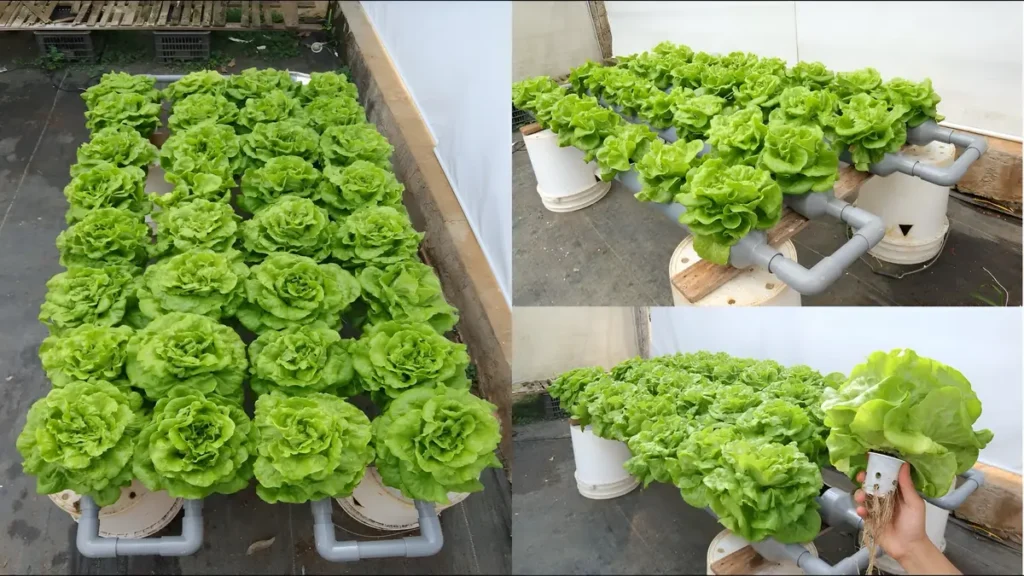
Rooftops are perfect for larger kale setups. Raised beds, grow bags, or hydroponic systems can be installed to maximize space. Rooftop gardens also help reduce urban heat and improve air quality. Kale thrives in these open environments, benefiting from abundant sunlight and airflow. With proper planning, rooftops can become productive urban farms, supplying fresh greens while creating eco-friendly spaces. Kale is the perfect crop to anchor rooftop gardening projects.
Container gardening innovations
Urban gardeners in 2026 are embracing smart containers with built-in irrigation systems and sensors. These innovations make it easier to maintain consistent moisture and nutrient levels. Self-watering pots, modular planters, and stackable designs are revolutionizing container gardening. Kale adapts beautifully to these systems, ensuring steady growth with minimal effort. Technology and tradition blend seamlessly, making urban gardening more accessible and efficient than ever before.
Seasonal care for kale
Kale is hardy, but seasonal care ensures maximum yield. In cooler months, kale thrives naturally, producing sweeter leaves. During hot summers, provide partial shade and consistent watering to prevent wilting. Mulching helps regulate soil temperature. Adjusting care based on the season keeps kale resilient and productive year-round. Urban gardeners who adapt to seasonal changes enjoy a continuous supply of fresh greens without interruption.
Community gardening inspiration
Urban gardening isn’t just personal—it’s communal. Many city dwellers are joining rooftop or balcony gardening groups to share tips, seeds, and harvests. Kale often becomes the centerpiece of these projects due to its versatility and resilience. Community gardens foster collaboration, sustainability, and healthier lifestyles. Growing kale together strengthens bonds while promoting eco-friendly living. Urban gardening in 2026 is as much about people as it is about plants.
Culinary delights from fresh kale
Freshly harvested kale opens up endless culinary possibilities. From smoothies and salads to chips and stir-fries, kale adds nutrition and flavor to every dish. Urban gardeners enjoy the satisfaction of cooking with produce they grew themselves. Kale’s versatility makes it a favorite in kitchens worldwide. Growing it at home ensures you always have a supply of fresh, organic greens ready to elevate your meals.
Final Word: How to Grow Kale in Containers
Urban gardening in 2026 proves that fresh food doesn’t require sprawling land. With the right container, soil, sunlight, and care, kale thrives in balconies, rooftops, and patios. Its resilience, flavor, and nutritional value make it the ultimate crop for city dwellers. Growing kale is more than gardening—it’s a lifestyle shift toward healthier, sustainable living. By embracing creativity and consistency, anyone can enjoy a steady supply of nutrient-rich greens right at home. Kale is your perfect companion for this journey.