Grow Guava Like a Pro: Guava is one of those fruits that instantly reminds us of tropical sunshine and refreshing sweetness. Imagine plucking a ripe, juicy guava straight from your backyard tree it’s not just delicious, it’s deeply satisfying. The good news? Growing guava isn’t complicated. With the right mix of sunlight, soil, and water, you can enjoy faster harvests and bigger, juicier fruits. Let’s dive into simple, practical tips that make guava cultivation easy and rewarding for home gardeners.
Sunlight Makes Guava Thrive
Guava trees love the sun, and giving them plenty of it is the secret to healthy growth. Aim for at least six to eight hours of direct sunlight daily. This ensures the tree produces strong branches, lush leaves, and sweet fruits. If you’re planting guava in a backyard or orchard, choose an open spot where shadows won’t block the light. More sun equals more energy for fruiting, so think of sunlight as guava’s natural fuel.
Soil Richness Boosts Growth
Guava isn’t too picky about soil, but it thrives best in well-drained, fertile ground. Sandy loam or light clay soils enriched with organic compost are ideal. Good soil structure allows roots to spread easily and absorb nutrients. Avoid waterlogged areas, as excess moisture can damage roots. Adding organic matter like cow dung or kitchen compost improves fertility and keeps the soil airy. Healthy soil means stronger trees and tastier guavas, so treat the ground like your tree’s foundation.
Watering Keeps Fruits Juicy
Water is essential, but balance is key. Guava trees don’t need daily watering once established, but young plants require consistent moisture. Deep watering once or twice a week helps roots grow strong and prevents stress. During fruiting season, regular watering ensures plump, juicy guavas. However, avoid overwatering, as soggy soil can lead to root rot. Think of watering as a rhythm steady, deep, and timed to the plant’s needs for maximum fruit quality.
Pruning Shapes Healthy Trees
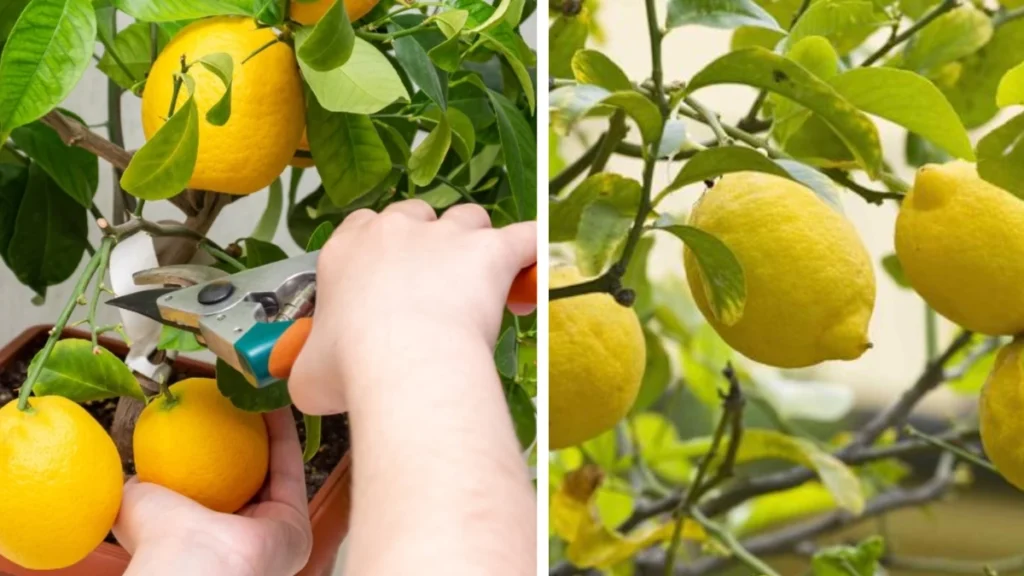
Pruning is more than just trimming branches it’s about guiding your guava tree’s growth. Removing dead or overcrowded branches improves airflow and sunlight penetration. This reduces pests and diseases while encouraging new shoots. A well-pruned tree focuses its energy on producing bigger, sweeter fruits. Do light pruning after harvest and shape the canopy to stay open and balanced. With regular care, pruning becomes your secret weapon for healthier guava harvests.
Fertilizers Add Extra Power
While guava trees are hardy, they benefit from a nutrient boost. Organic fertilizers like compost, manure, or neem cake enrich the soil naturally. For faster growth, balanced NPK fertilizers can be applied during the growing season. Potassium is especially important for fruit development, making guavas sweeter and juicier. Feed your tree two to three times a year, and always water after fertilizing to help nutrients soak in. Fertilizers act like vitamins, giving your guava tree extra strength.
Pest Control Protects Harvests
Guava trees can attract pests like fruit flies, aphids, and mealybugs. Left unchecked, these can damage fruits and reduce yields. Natural solutions such as neem oil sprays or soap water help keep pests away without harming the tree. Regularly inspect leaves and fruits for early signs of infestation. Healthy trees resist pests better, so combine good care with preventive measures. Protecting your guava from pests ensures every harvest is clean, safe, and delicious.
Mulching Improves Soil Health
Mulching is a simple trick that works wonders for guava trees. By covering the soil around the base with straw, leaves, or grass clippings, you lock in moisture and prevent weeds. Mulch also regulates soil temperature, keeping roots cool in summer and warm in winter. Over time, organic mulch breaks down and enriches the soil naturally. It’s like giving your guava tree a protective blanket that boosts growth and fruit quality.
Harvesting At The Right Time
Timing is everything when it comes to harvesting guava. Pick fruits when they turn light green to yellow and feel slightly soft to the touch. Overripe guavas lose flavor, while underripe ones taste sour. Harvesting at the right stage ensures maximum sweetness and juiciness. Use clean hands or scissors to avoid damaging the fruit. With proper timing, your guava harvest will be packed with flavor and freshness straight from the tree.
Conclusion: Grow Guava Like a Pro
Growing guava like a pro doesn’t require complicated techniques it’s all about mastering the basics of sun, soil, and water. With thoughtful care, pruning, fertilizing, and pest control, your guava tree will reward you with faster harvests and juicier fruits. Whether you’re a beginner or an experienced gardener, these simple tips make guava cultivation enjoyable and productive. Start today, and soon you’ll be savoring homegrown guavas that taste better than anything you’ll find at the market.