Grow More Fruit in Small Spaces: Across the United States, more people are turning to home gardening for fresh food, cost savings, and peace of mind. Rising grocery prices, limited yard space, and apartment living have changed how Americans think about growing fruit. The good news is that growing fruit no longer requires a large backyard or traditional garden beds. With the right strategies, patios, balconies, rooftops, and even sunny indoor corners can produce impressive harvests. This guide focuses on proven, practical methods that work in real American homes, climates, and lifestyles.
Think Small Grow Big Results
Limited space does not mean limited harvests. Modern fruit varieties are designed for compact living and high productivity. Dwarf and semi-dwarf fruit trees stay manageable while delivering full-sized fruit. In the U.S., popular options include dwarf apple, lemon, lime, peach, fig, and cherry trees. These plants are ideal for USDA hardiness zones across the country and perform well in containers, patios, and small yards when given proper care.
Key benefits of compact fruit varieties include
• Easier maintenance and pruning
• Faster fruiting cycles
• Better adaptability to containers
• Higher yield per square foot
Containers Are Your Secret Weapon
Container gardening is one of the most effective solutions for small-space fruit growing in the United States. Containers allow gardeners to control soil quality, drainage, and plant location with precision. This flexibility is especially helpful in regions with poor native soil or extreme seasonal changes.
Common fruits that thrive in containers include
• Strawberries
• Blueberries
• Citrus trees
• Figs
• Dwarf peaches
Recommended Container Sizes
| Fruit Type | Minimum Pot Size |
|---|---|
| Strawberries | 8–10 inches |
| Blueberries | 18–24 inches |
| Citrus Trees | 20–24 inches |
| Fig Trees | 20 inches |
| Dwarf Apples | 24 inches |
Using lightweight containers with drainage holes helps prevent root rot and allows easy relocation during frost, heatwaves, or storms.
Vertical Space Is Wasted Space
Many American homes overlook vertical growing potential. Walls, fences, railings, and balcony edges offer valuable real estate for fruit plants. Vertical growing is especially useful in urban areas where ground space is limited.
Fruits that perform exceptionally well vertically include
• Grapes
• Blackberries
• Raspberries
• Passion fruit
• Hardy kiwi
Vertical systems improve airflow, reduce disease risk, and maximize sunlight exposure. They also make harvesting easier and help keep plants healthy and organized.
Sunlight Placement Changes Everything
Fruit plants need sunlight to produce sugar-rich, flavorful harvests. In small spaces, smart positioning matters more than plant quantity. Most fruit plants require at least six to eight hours of direct sunlight daily.
Best placement tips for U.S. homes
• South-facing balconies and patios receive the most light
• Rooftops offer excellent sun exposure for containers
• Rolling plant stands allow movement with the sun
• Reflective walls can boost light availability
Tracking sunlight patterns throughout the day helps maximize productivity without expanding space.
Feed Smart Not Excessively
Fertilization plays a crucial role in small-space fruit success. Because containers and compact beds hold limited nutrients, feeding must be precise. Overfertilizing leads to leafy growth with poor fruit production, while underfeeding reduces yields.
Essential nutrients for fruit plants
• Nitrogen for early growth
• Phosphorus for root development
• Potassium for flowering and fruiting
Organic compost, fish emulsion, and slow-release fruit fertilizers are widely available across the U.S. and work well for container gardens.
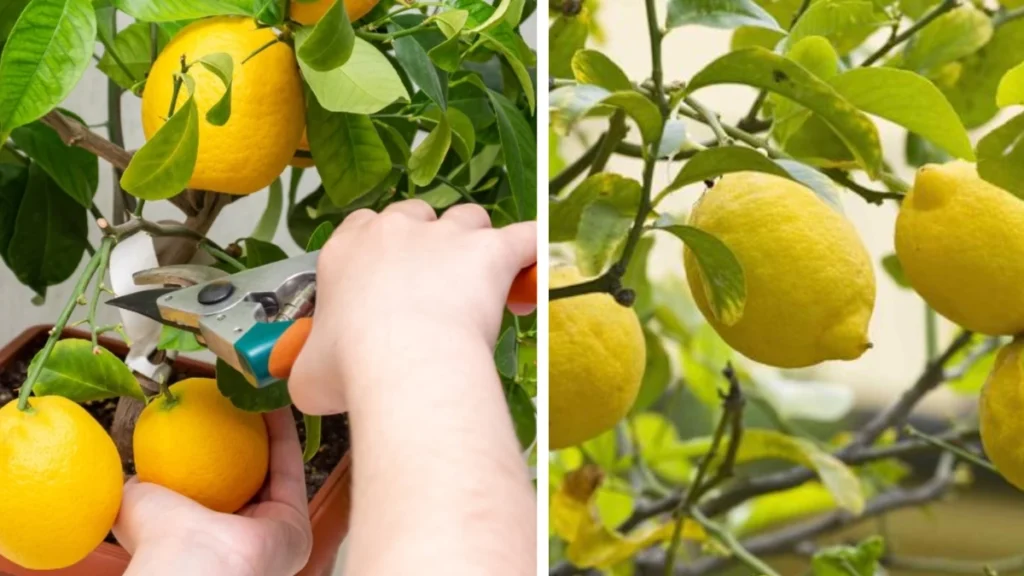
Pruning Directs Fruit Energy
Pruning is often misunderstood but is essential for small-space fruit gardening. Strategic pruning helps plants focus energy on fruit production instead of uncontrolled growth. It also keeps plants compact and improves airflow.
Pruning benefits include
• Increased fruit size
• Better sunlight penetration
• Reduced disease risk
• Improved plant structure
In most U.S. climates, pruning is best done in late winter or early spring before active growth begins.
Choose Climate Smart Fruits
The United States spans multiple climate zones, making plant selection critical. Choosing fruit varieties suited to your region reduces maintenance and increases success.
Examples by region
• Northeast: Apples, blueberries, cherries
• Southeast: Figs, citrus, peaches
• Midwest: Strawberries, raspberries, plums
• Southwest: Citrus, pomegranates, figs
• West Coast: Avocados, lemons, grapes
Checking USDA hardiness zones before planting ensures better survival and yields.
Water Consistency Beats Quantity
Small-space fruit plants depend on consistent watering. Containers dry out faster than garden beds, especially during American summers. Irregular watering leads to fruit drop, poor flavor, and stressed plants.
Watering best practices
• Water deeply but less frequently
• Check soil moisture before watering
• Use mulch to retain moisture
• Drip irrigation works well for containers
Morning watering reduces evaporation and helps prevent fungal diseases.
Pollination Makes Or Breaks Harvests
Pollination is often overlooked in small gardens. Some fruit plants require cross-pollination, while others are self-fertile. In urban areas, limited pollinators can reduce yields.
Ways to improve pollination
• Choose self-pollinating varieties
• Grow pollinator-friendly flowers nearby
• Hand-pollinate with a soft brush if needed
• Avoid pesticides that harm bees
Healthy pollination directly impacts fruit size and quantity.
Indoor Fruit Growing Is Possible
Indoor fruit gardening is becoming popular across the U.S., especially in apartments and colder regions. With grow lights and proper care, several fruits can thrive indoors year-round.
Indoor-friendly fruit options
• Strawberries
• Dwarf citrus
• Figs
• Pineapple plants
LED grow lights provide consistent light and allow fruit production even during winter months.
Small Space Planning Maximizes Yields
Planning layout before planting prevents overcrowding and wasted effort. Group plants with similar water and light needs together. Leave space for airflow and growth.
Smart planning tips
• Measure space before buying plants
• Avoid impulse purchases
• Plan seasonal rotations
• Keep access paths for maintenance
Thoughtful design often doubles productivity without adding plants.
Final Word: Grow More Fruit in Small Spaces
Growing fruit in small spaces across the United States is no longer a challenge reserved for experts. With compact varieties, container systems, vertical techniques, climate-smart choices, and consistent care, even the smallest home can produce meaningful harvests. These methods are practical, proven, and adaptable to American lifestyles. Small spaces, when managed wisely, can deliver fresh fruit, personal satisfaction, and long-term savings without requiring more land or complex tools.