Growing Oranges in Pots 2026: Growing oranges at home has become a serious trend across the United States in 2026, especially among apartment dwellers and suburban homeowners with balconies and terraces. Rising grocery prices, interest in organic food, and the joy of home gardening are pushing people toward container-grown fruit trees. Oranges are no longer limited to large Florida or California orchards. With the right techniques, even a small balcony in New York, Texas, or Illinois can support a healthy orange tree producing fresh, flavorful fruit.
Why Container Oranges Make Sense
Growing oranges in pots is practical for modern American lifestyles. Containers allow flexibility, mobility, and better control over growing conditions. For people renting apartments or living in condos, pots make citrus gardening possible without permanent planting.
Key benefits include
• Easy relocation during extreme heat or frost
• Better control over soil quality
• Reduced risk of soil-borne diseases
• Perfect fit for patios, balconies, and rooftops
Container gardening aligns well with urban living while still delivering real harvests.
Best Orange Varieties For Pots
Not all orange trees perform well in containers, but some varieties are specifically suited for limited spaces. In the United States, dwarf and semi-dwarf citrus varieties are the most successful.
Popular container-friendly orange varieties
• Dwarf Valencia
• Dwarf Washington Navel
• Calamondin Orange
• Trovita Orange
These varieties stay compact, adapt well to pots, and produce sweet fruit even when grown on balconies or terraces.
Picking The Perfect Pot
Choosing the right container is one of the most important decisions. A poor pot can restrict roots and reduce fruiting.
Ideal pot features
• Minimum 18 to 24 inches wide
• Deep structure for root growth
• Multiple drainage holes
• Heavy enough to prevent tipping
Material options like terracotta, resin, or food-grade plastic work well in the U.S. climate. Wheels under large pots are a bonus for easy movement during seasonal changes.
Soil Mix That Citrus Loves
Regular garden soil is too dense for potted orange trees. Citrus roots need air, moisture balance, and nutrients.
Recommended soil mix
• 40 percent potting soil
• 30 percent compost or aged manure
• 20 percent perlite or coarse sand
• 10 percent coco peat or peat moss
This mix prevents waterlogging and supports healthy root development, which directly affects flowering and fruit size.
Sunlight Rules You Cannot Ignore
Orange trees thrive on sunlight, and this rule applies even more strictly in containers. In the United States, sunlight exposure varies by region, but citrus needs remain the same.
Sunlight requirements
• Minimum 6 to 8 hours of direct sun daily
• South-facing balconies are ideal
• West-facing terraces work well in cooler states
Without enough sun, plants may grow leaves but fail to flower or fruit properly.
Watering Without Killing Roots
Overwatering is the most common mistake American home gardeners make with citrus in pots. Oranges prefer deep watering but hate standing water.
Smart watering tips
• Water only when the top 2 inches feel dry
• Reduce watering in winter months
• Increase frequency during summer heat
• Always empty drainage trays
Consistency is more important than frequency. Too much water can cause root rot and leaf drop.
Feeding For Bigger Harvests
Potted orange trees depend entirely on you for nutrients. Soil nutrients deplete faster in containers, making regular feeding essential.
Best feeding practices
• Use citrus-specific fertilizer
• Feed every 4 to 6 weeks during growing season
• Choose organic options when possible
• Stop heavy feeding in winter
Proper nutrition directly affects fruit sweetness, peel thickness, and overall yield.
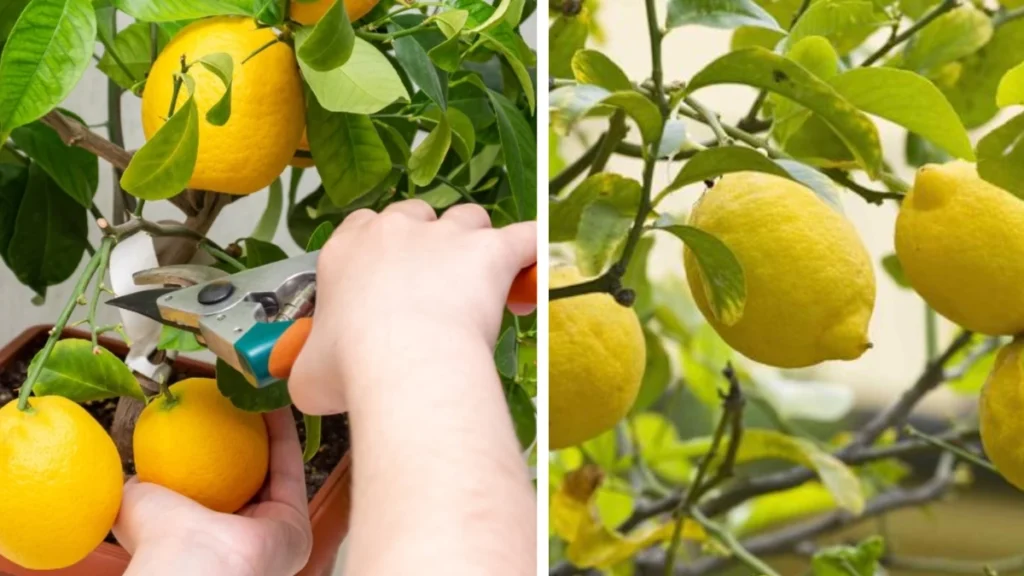
Pruning Keeps Trees Productive
Pruning is not about cutting aggressively but guiding growth. For balcony and terrace gardeners, pruning also keeps trees manageable in size.
Benefits of proper pruning
• Improves airflow
• Encourages new fruiting branches
• Controls height and width
• Removes diseased or weak growth
Light pruning after harvest or in early spring works best for container-grown oranges.
Pest Control The Natural Way
Even indoor or balcony citrus trees in the U.S. can attract pests. Aphids, spider mites, and scale insects are the most common.
Natural pest control options
• Neem oil spray
• Insecticidal soap
• Strong water spray for early infestations
Healthy plants resist pests better, so prevention starts with good care rather than chemicals.
Winter Care In Cold States
In colder U.S. states, winter protection is critical. Orange trees are sensitive to frost, especially when grown in pots.
Winter protection tips
• Move pots indoors near sunny windows
• Use frost covers during cold nights
• Reduce watering significantly
• Avoid fertilizing in winter
For states like New York, Illinois, or Washington, winter care determines whether the tree survives long-term.
Container Oranges Yield Timeline
Many gardeners wonder how long it takes to get fruit from potted orange trees.
Here is a realistic timeline
| Tree Age | Expected Result |
|---|---|
| 1 year | Leaf growth only |
| 2 years | Light flowering |
| 3 years | Small fruit set |
| 4 to 5 years | Full harvest potential |
Patience pays off, especially with proper care.
Common Mistakes To Avoid
Even experienced gardeners can make errors with container citrus.
Mistakes to watch out for
• Using small pots long-term
• Overwatering in winter
• Ignoring sunlight needs
• Skipping fertilizer schedules
Avoiding these mistakes dramatically improves success rates for U.S. balcony gardeners.
Why Oranges Thrive In Urban Homes
Container-grown oranges are more than a gardening hobby. They represent self-sufficiency, sustainability, and stress relief. Across the United States, people are turning unused balconies into productive green spaces.
Advantages beyond fruit
• Improves air quality
• Adds greenery to urban homes
• Encourages healthy eating
• Reduces grocery dependence
This makes orange trees a smart choice for modern American households.
Conclusion
Growing oranges in pots in 2026 is no longer experimental, it is practical, rewarding, and perfectly suited for U.S. balconies and terraces. With the right variety, proper pot, balanced soil, and consistent care, anyone can enjoy homegrown citrus regardless of space limitations. Container orange trees combine beauty, nutrition, and sustainability, making them one of the best choices for urban gardeners across the United States.