Home Aloe Vera Success 2026: Aloe vera has become a must-have plant for every modern home. Its thick, succulent leaves store water, making it drought-tolerant and perfect for busy lifestyles. Beyond aesthetics, aloe gel is a natural remedy for skin burns, cuts, and even digestive health. Growing aloe at home can be incredibly satisfying if you know the right techniques for potting, repotting, and daily care. This guide will take you step by step to ensure your aloe thrives year-round.
Pick the Perfect Pot
Choosing the right pot is critical for aloe vera’s survival. Aloe prefers pots with excellent drainage because its roots are prone to rot if left in water. Terracotta and clay pots are ideal since they absorb excess moisture naturally. When selecting size, pick a pot slightly bigger than the root ball to allow room for growth but not too large, as this can trap moisture. Always ensure your pot has drainage holes.
Tips for pot selection:
- Use unglazed terracotta for natural water absorption.
- Avoid deep pots; shallow wide pots are better.
- Add a layer of small stones or gravel at the bottom for extra drainage.
Use the Right Soil Mix
Aloe vera thrives in well-draining soil that mimics desert conditions. Regular garden soil retains too much moisture, risking root rot. Opt for a cactus or succulent soil mix or make your own by combining:
- 2 parts potting soil
- 1 part perlite
- 1 part coarse sand
This combination ensures water flows through quickly, preventing soggy roots. You can also add small amounts of charcoal to reduce fungal growth. Healthy soil is key to vibrant, thick leaves.
Water Wisely for Growth
Overwatering is the number one mistake with aloe plants. These succulents store water in their leaves, so they need minimal irrigation. Water deeply but infrequently, allowing the soil to dry completely between waterings. During summer, once every two to three weeks is sufficient; winter may only require monthly watering. Always water at the base, avoiding leaf rosettes, which can trap moisture and lead to rot.
Watering schedule example:
| Season | Frequency | Tips |
|---|---|---|
| Summer | Every 2 weeks | Water deeply, let drain |
| Spring/Fall | Every 3 weeks | Reduce water slightly |
| Winter | Once a month | Minimal moisture needed |
Provide Adequate Sunlight
Aloe vera loves sunlight but too much direct exposure can burn its leaves. Place your plant near a sunny window where it receives indirect sunlight for 6–8 hours daily. South or west-facing windows are ideal. If indoors light is insufficient, use a grow light to mimic natural sun exposure. Leaves will turn pale or leggy if the plant lacks proper light. Rotate the pot regularly to ensure even growth.
Repotting Tips for Thriving Plants
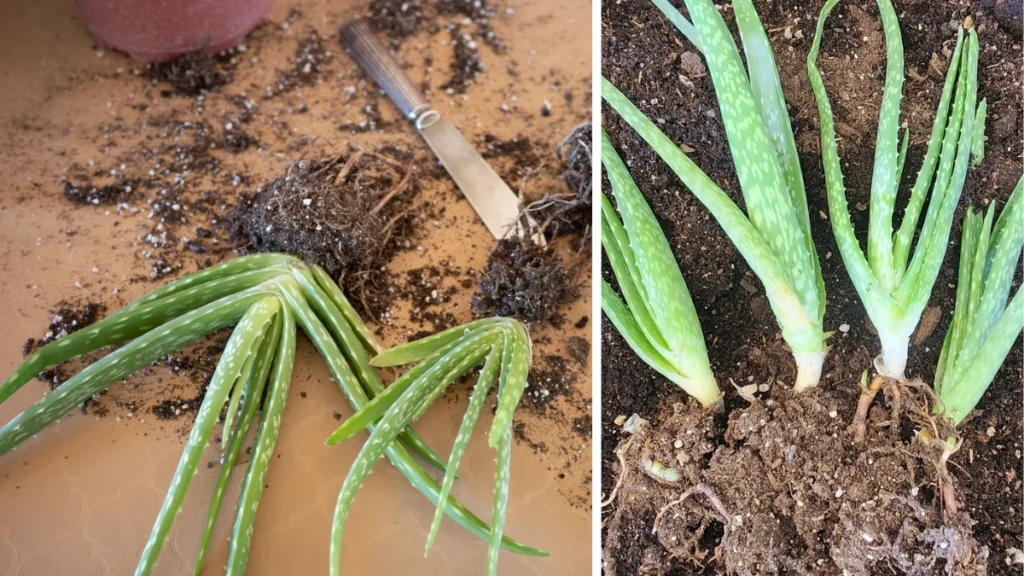
Repotting is essential every 2–3 years or when roots outgrow the pot. Handle aloe gently; their roots are delicate. Remove the plant from its pot, shake off old soil, and trim any dead or rotten roots. Use fresh soil and a slightly larger pot. Aloe produces offsets or “pups,” which can be separated during repotting to create new plants. Always allow the plant to dry for a day after repotting before watering.
Repotting checklist:
- Choose a slightly larger pot
- Inspect roots for damage
- Separate pups carefully
- Use fresh cactus soil
- Let dry before first watering
Fertilize Sparingly for Better Growth
Aloe vera is a low-nutrient plant, meaning it doesn’t need frequent fertilization. Feeding it once or twice a year during spring and summer is enough. Use a balanced, water-soluble fertilizer diluted to half strength. Avoid high-nitrogen fertilizers as they encourage leaf growth at the expense of root health. Organic options like compost tea or diluted fish emulsion can also boost growth naturally.
Control Pests Naturally
Aloe vera is generally pest-resistant but occasionally attracts aphids, mealybugs, or scale insects. Prevention is easier than cure. Keep leaves clean and inspect regularly. Natural treatments include:
- Spraying with diluted neem oil
- Using a mild soap solution for infested leaves
- Removing pests manually with a cotton swab
Healthy soil and proper watering also reduce pest issues significantly.
Prune for Health and Beauty
Pruning aloe helps maintain its shape and removes damaged or old leaves. Use sterilized scissors to cut leaves close to the base. This encourages new growth and keeps the plant looking fresh. You can also harvest leaves for their gel, but always leave enough healthy leaves to sustain the plant. Proper pruning ensures the plant remains vigorous and attractive.
Make Aloe Gel at Home
One of the main benefits of aloe vera is its gel, which can be extracted easily:
- Cut a mature outer leaf close to the base.
- Rinse the leaf to remove dirt.
- Slice open and scoop out the gel using a spoon.
- Store in a clean airtight container in the refrigerator for up to a week.
Aloe gel can soothe burns, moisturize skin, or even be added to smoothies for health benefits.
Understand Drought-Tolerant Benefits
Aloe vera is a true drought-tolerant plant, storing water in its thick leaves. This makes it perfect for dry climates and busy homeowners. It survives periods of neglect, and its water-storing abilities help the plant bounce back quickly after dry spells. This resilience makes aloe a reliable choice for beginners and experienced gardeners alike.
Key drought benefits:
- Survives weeks without water
- Maintains leaf firmness during dry spells
- Requires minimal maintenance
- Thrives in indoor and outdoor conditions
Monitor Plant Health
Keeping an eye on aloe’s health ensures early detection of problems. Signs of stress include yellowing leaves, soft mushy tips, or leaf curling. These may indicate overwatering, poor soil drainage, or insufficient sunlight. Regular inspections, proper watering, and sunlight adjustments can prevent most issues.
Quick health checklist:
- Check soil moisture before watering
- Observe leaf color and firmness
- Inspect for pests monthly
- Rotate pot for even growth
Propagate for a Growing Aloe Garden
Aloe propagates easily through offsets or “pups.” These are small plants that grow at the base of the parent plant. Carefully separate pups during repotting and plant them in fresh soil. Aloe can also be propagated from leaf cuttings, though this method is slower and less reliable. With propagation, you can expand your aloe collection or gift plants to friends.
Indoor vs Outdoor Placement
Aloe vera grows well indoors and outdoors, depending on climate. Indoor plants thrive in bright, indirect light, while outdoor aloe prefers a sunny, sheltered spot. Outdoor planting requires well-draining soil and protection from frost. Indoor aloe benefits from temperature consistency and less pest exposure, making it ideal for apartments or offices. Choosing the right placement ensures your plant thrives in its environment.
Indoor care tips:
- Place near bright windows
- Avoid humid bathrooms
- Rotate regularly for uniform growth
Outdoor care tips:
- Provide sun and shade balance
- Use sandy, well-draining soil
- Protect from frost
Final Word: Home Aloe Vera Success 2026
Growing aloe vera at home in 2026 is easier than ever with the right techniques. Choosing the proper pot, soil, and placement, combined with careful watering and occasional fertilization, ensures a thriving plant year-round. Aloe vera is not just beautiful—it’s a natural healer and a low-maintenance companion. By following these practical tips, anyone can enjoy a flourishing aloe plant, a steady supply of aloe gel, and the joy of a green home.
Aloe vera’s drought-tolerant nature and versatility make it perfect for beginners and seasoned gardeners alike. Start small, care consistently, and watch your aloe thrive with minimal effort while enhancing your living space naturally.