Home Gardening Trends 2026: Home gardening in the United States is entering a powerful new phase in 2026. More American households are growing food at home not just to save money, but to control quality, avoid chemicals, and enjoy fresher produce. Tomatoes sit at the top of the list because they are practical, productive, and perfect for backyards, patios, and balconies. What has changed is the approach. Modern home gardeners now follow a simple, proven tomato growing formula that fits busy lifestyles and delivers reliable results season after season.
Why Tomatoes Dominate US Gardens
Tomatoes are the most grown home vegetable in the United States for a reason. They adapt easily to different climates, from California to Florida to the Midwest. Home gardeners love them because one plant can feed a family for weeks. In 2026, Americans are choosing crops that give high yield in small spaces. Tomatoes meet that demand while offering flavor far superior to store-bought produce. Their versatility in salads, sauces, and cooking keeps them at the center of home gardening trends.
Soil Builds Tomato Success
Healthy soil is the backbone of successful tomato gardening. In the US, gardeners are moving away from plain garden dirt and switching to nutrient-rich soil blends. Tomatoes need soil that drains well but holds enough moisture to support steady growth. The most effective soil mix includes organic matter that feeds plants naturally throughout the season. Good soil also reduces disease and improves root strength, leading to higher yields without synthetic chemicals.
Ideal soil mix for US home gardens
- Garden soil or raised bed soil
- Compost or aged manure
- Coco peat or peat moss
- Perlite or coarse sand for drainage
Sunlight Placement Matters More
Tomatoes thrive when they receive consistent sunlight, and placement is critical in American climates. Six to eight hours of direct sun is ideal for fruit production. Morning sun is especially valuable because it dries dew quickly and reduces disease risk. In southern states, partial afternoon shade can protect plants from heat stress. Gardeners in 2026 are paying closer attention to sun patterns, rotating containers, and repositioning plants for balanced exposure.
Watering That Prevents Mistakes
Improper watering is one of the biggest challenges for tomato growers. The modern formula focuses on deep, consistent watering rather than daily light sprays. Tomatoes prefer evenly moist soil, not extremes. Overwatering causes root problems, while underwatering leads to cracked fruit and poor growth. Early morning watering is now the standard recommendation across US gardening communities because it supports healthy roots and reduces fungal issues.
Smart watering tips
- Water deeply two to three times per week
- Avoid wetting leaves frequently
- Use mulch to retain soil moisture
- Adjust watering during heat waves
Feeding Tomatoes The Easy Way
Tomatoes are heavy feeders, but feeding them does not need to be complicated. In 2026, American home gardeners are turning to simple organic nutrition methods. Natural fertilizers improve soil health while supporting long-term plant productivity. Feeding tomatoes regularly but gently helps prevent nutrient deficiencies and encourages steady fruit development. The focus is on balance rather than fast growth.
Popular tomato feeding options
- Compost tea every two weeks
- Fish emulsion diluted with water
- Bone meal for flowering support
- Banana peel water for potassium
Pruning Boosts Production
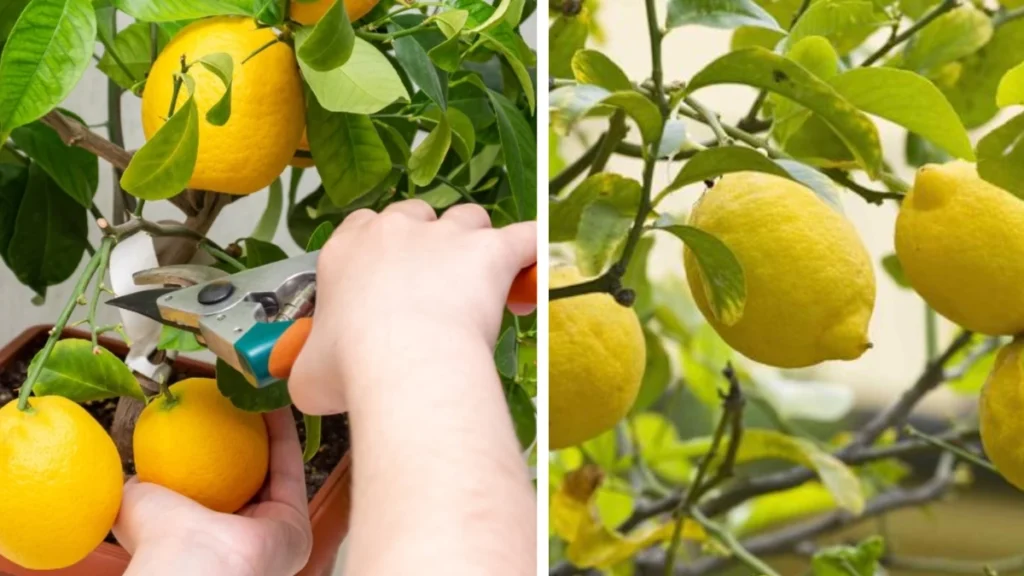
Pruning tomatoes helps plants focus energy on fruit instead of excess foliage. Many US gardeners once avoided pruning, but it has become a standard practice in 2026. Removing lower leaves improves airflow and reduces disease risk. Pinching off unnecessary side shoots encourages stronger main stems. Light pruning is enough to see a noticeable difference in yield and fruit size, especially in container-grown tomatoes.
Natural Pest Control Wins
Chemical pesticides are losing popularity among home gardeners across the United States. Instead, natural pest control methods are becoming the go-to solution. Tomatoes attract insects, but most issues can be managed without harsh sprays. Companion planting and homemade remedies protect plants while keeping gardens safe for families and pets.
Effective natural pest control methods
- Neem oil spray for aphids and mites
- Soapy water for soft-bodied insects
- Marigolds to repel pests
- Hand removal of caterpillars
Choosing The Right Varieties
Selecting the right tomato variety makes a huge difference in success. In 2026, US gardeners are choosing varieties based on space, climate, and usage. Determinate varieties work well for small gardens and containers, while indeterminate types are ideal for larger backyard setups. Disease-resistant hybrids are also popular because they reduce maintenance and crop loss.
| Tomato Type | Best Use | Ideal For |
|---|---|---|
| Cherry | Snacking salads | Containers patios |
| Roma | Sauces cooking | Raised beds |
| Beefsteak | Slicing | Backyard gardens |
| Hybrid resistant | Low maintenance | Beginners |
Containers Versus Ground Growing
Tomatoes grow equally well in containers and ground beds when managed correctly. Urban US gardeners often prefer containers due to space limitations. Ground planting works best in suburban and rural homes with access to garden beds. The 2026 trend is flexibility, choosing the method that fits the household rather than forcing traditional gardening methods.
Key container growing tips
- Use at least five-gallon pots
- Ensure proper drainage holes
- Use quality potting mix
- Support plants with stakes or cages
Mulching Makes Life Easier
Mulching has become a must-follow practice in tomato gardening. It helps regulate soil temperature, conserve moisture, and reduce weeds. Organic mulches also improve soil health over time. US gardeners are using straw, shredded leaves, and wood chips to protect tomato roots. Mulching significantly reduces watering frequency and prevents soil splash, which can spread disease.
Climate Smart Gardening Trends
Climate changes are influencing how Americans grow tomatoes. Heat waves, unpredictable rainfall, and shifting seasons have pushed gardeners to adapt. Shade cloths, drip irrigation, and raised beds are becoming common tools. The easy tomato growing formula in 2026 focuses on flexibility, allowing gardeners to respond quickly to weather changes without losing crops.
Harvest Timing Improves Flavor
Harvesting tomatoes at the right time enhances taste and shelf life. Fully colored tomatoes picked slightly firm offer the best balance of sweetness and acidity. Many US gardeners now harvest earlier and allow tomatoes to ripen indoors during extreme heat. This prevents sunscald and cracking while preserving flavor.
Storage And Use At Home
Homegrown tomatoes are valued for their freshness, but proper storage extends usability. Tomatoes should be stored at room temperature until fully ripe. Refrigeration is only recommended after ripening to slow spoilage. In 2026, many American households preserve excess tomatoes through freezing, canning, and homemade sauces, reducing grocery dependency.
Conclusion
Home gardening trends in 2026 prove that growing tomatoes does not need to be complicated or time-consuming. By focusing on healthy soil, smart watering, natural feeding, and climate awareness, US home gardeners are achieving reliable harvests with minimal effort. This easy tomato growing formula works because it respects nature while fitting modern lifestyles. With a little consistency and care, anyone can enjoy fresh, flavorful tomatoes right from their own home garden.