Home Orange Garden 2026: Growing oranges at home has become one of the most rewarding gardening trends in 2026. With rising interest in organic living and fresh produce, homeowners are turning their backyards into thriving citrus orchards. A home orange garden not only provides delicious fruit but also adds beauty, fragrance, and sustainability to your lifestyle. This guide brings you expert tricks, practical steps, and fresh insights to help you achieve faster growth and maximum citrus yield in your own garden.
Select Varieties That Thrive
Choosing the right orange variety is the foundation of success. Different climates demand different cultivars, and selecting wisely ensures healthier trees and sweeter fruit. Navel oranges are perfect for eating fresh, while Valencia oranges excel in juicing. For smaller spaces, dwarf varieties adapt beautifully to containers. By matching your variety to your environment, you guarantee resilience against local weather conditions and set the stage for abundant harvests year after year.
Build Soil Rich In Life
Healthy soil is the heartbeat of a productive orange garden. Citrus trees flourish in well-drained, slightly acidic soil enriched with organic matter. Mixing compost, aged manure, and biochar improves fertility and microbial activity. Avoid compacted clay that suffocates roots. Raised beds or containers with proper drainage are excellent solutions. When your soil is alive with nutrients and beneficial organisms, your orange trees grow vigorously and resist disease naturally.
Master The Art Of Watering
Watering citrus trees is a delicate balance. Too little water stunts growth, while too much causes root rot. The secret lies in deep, consistent watering that encourages strong root systems. During hot months, water once or twice weekly, ensuring moisture penetrates deeply. In cooler seasons, reduce frequency to avoid soggy soil. Mulching around the base conserves moisture and prevents evaporation. Smart watering keeps your trees hydrated, healthy, and ready to produce juicy fruit.
Feed With Balanced Nutrition
Oranges are heavy feeders, and proper nutrition is essential for faster growth. A balanced fertilizer containing nitrogen, phosphorus, and potassium supports foliage, roots, and fruit development. Micronutrients like magnesium and zinc prevent deficiencies that can reduce yield. Apply fertilizer in early spring and mid-summer for maximum impact. Organic options such as compost tea or fish emulsion also work wonders. With the right feeding schedule, your trees will deliver bigger, sweeter harvests.
Prune For Sunlight And Air
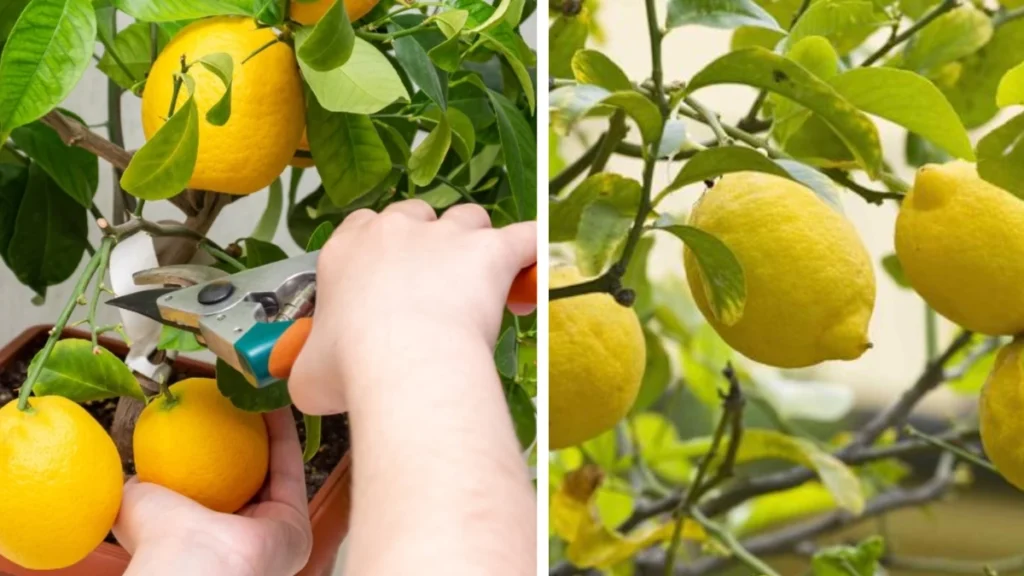
Pruning is more than shaping it’s a productivity booster. Removing dead or overcrowded branches improves airflow and sunlight penetration, reducing pest risks. Focus on thinning the canopy and cutting back weak shoots. Prune in late winter or early spring to encourage new growth and stronger fruiting branches. A well-pruned tree not only looks attractive but also produces more oranges with less stress, ensuring your garden stays vibrant and fruitful.
Protect With Natural Defenses
Citrus trees often attract pests like aphids, mites, and fruit flies. Instead of harsh chemicals, natural solutions safeguard your garden. Neem oil, insecticidal soap, and companion planting with marigolds or basil deter pests effectively. Regular inspections help catch problems early before they spread. By embracing eco-friendly methods, you protect your oranges while keeping your garden sustainable and safe for pollinators such as bees and butterflies.
Harvest At Peak Flavor
Timing is everything when harvesting oranges. Picking too early results in sour fruit, while waiting too long reduces sweetness. The best indicators are color, firmness, and taste. Ripe oranges turn bright and feel slightly soft to the touch. Twist gently instead of pulling to avoid damaging branches. Harvesting at the right time ensures maximum flavor, nutrition, and satisfaction, making your homegrown oranges a true delight for family and friends.
Expand With Container Citrus
Limited space doesn’t mean limited harvests. Container gardening is a fantastic option for urban dwellers. Dwarf orange trees thrive in pots and can be moved indoors during colder months. Use large containers with proper drainage and nutrient-rich soil. Regular watering and feeding are essential, as potted trees dry out faster. Container gardening saves space, adds beauty to patios and balconies, and makes fresh oranges accessible even in compact living environments.
Boost Growth With Mulching Magic
Mulching is a simple yet powerful trick for faster growth. A layer of organic mulch around the base of your tree conserves moisture, regulates soil temperature, and suppresses weeds. Mulch also breaks down into nutrients, enriching the soil naturally. Materials like straw, wood chips, or shredded leaves work best. With consistent mulching, your orange trees enjoy healthier roots and stronger growth, leading to higher yields season after season.
Train Branches For Strength
Training branches early helps shape your tree for maximum productivity. Guiding young branches outward improves structure and prevents overcrowding. Strong, well-spaced branches support heavier fruit loads without breaking. Use soft ties or bamboo stakes to direct growth gently. This practice not only enhances airflow and sunlight exposure but also ensures your tree matures into a balanced, resilient structure capable of producing abundant oranges.
Embrace Climate Smart Gardening
Climate change affects citrus growth, but smart techniques can help. Protect trees from frost with covers or move containers indoors. In hot regions, provide partial shade during peak heat. Windbreaks reduce stress from strong gusts. By adapting to local climate challenges, you safeguard your orange garden and maintain consistent yields. Climate-smart gardening ensures resilience and sustainability, keeping your citrus harvest strong despite unpredictable weather patterns.
Encourage Pollinators To Visit
Pollinators play a vital role in citrus production. Bees, butterflies, and other insects help fertilize flowers, leading to better fruit set. Planting pollinator-friendly flowers nearby attracts these beneficial visitors. Avoid chemical sprays that harm them. A pollinator-friendly environment not only boosts your orange yield but also enriches biodiversity in your garden. Encouraging pollinators ensures your citrus trees thrive naturally, producing more fruit with less effort.
Conclusion: Home Orange Garden 2026
A home orange garden in 2026 is more than just a source of fruit it’s a lifestyle of health, sustainability, and joy. By selecting the right varieties, nurturing soil, watering wisely, feeding properly, pruning effectively, and protecting naturally, you set yourself up for success. Adding techniques like mulching, branch training, and pollinator encouragement ensures faster growth and maximum yield. With patience and care, your garden becomes a vibrant source of fresh, organic oranges that enrich your home and your life.
Garlic Growing 2026: Simple Clove Planting Hacks for Bigger Bulbs & Maximum Harvests
Sweet Organic Strawberries: Easy Pot & Container Gardening Tips for Big Harvests
French Bean Growing Secrets: Easy Home Gardening Tips for Fiber‑Rich Harvests
Grow Spinach at Home: Best Gardening Tips for Fast Germination & Healthy Harvests