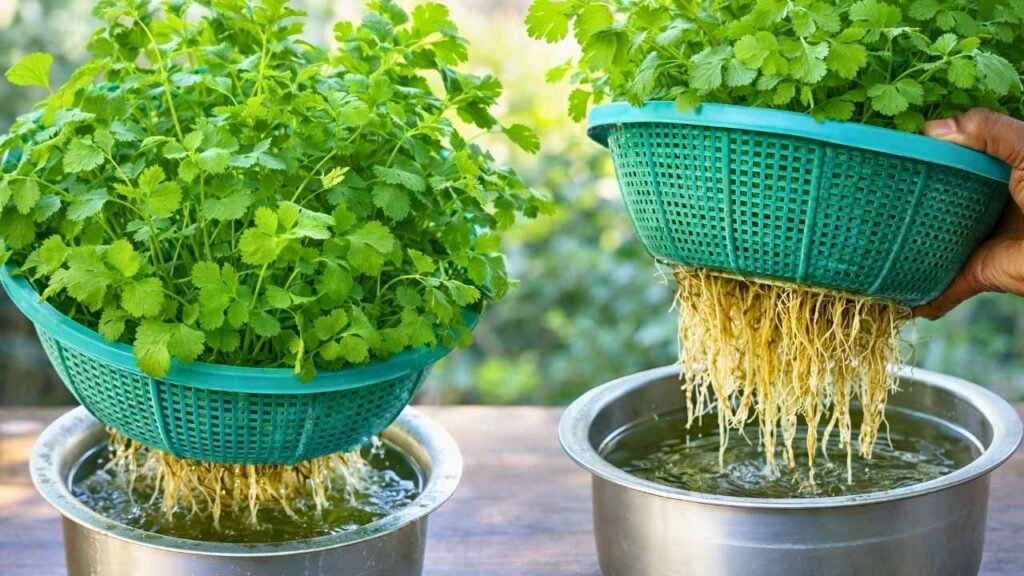
How to Grow Coriander at Home in 2026: Coriander is no longer just a kitchen herb in 2026. It has become a symbol of smart home gardening, clean eating, and self-reliance. Rising vegetable prices, pesticide concerns, and limited access to fresh greens have pushed more people toward growing herbs at home. Coriander fits perfectly into this trend because it grows fast, needs little space, and rewards you quickly. With modern gardening awareness and improved techniques, growing thick, aromatic coriander at home is easier than ever if you follow the right method.
Why Coriander Is A Smart Herb
Coriander is one of the most practical herbs to grow at home because it offers high output with minimal effort. Unlike many leafy greens, it matures quickly and can be harvested multiple times. In 2026, health-conscious households prefer coriander because it supports digestion, improves immunity, and enhances everyday meals naturally. Its short life cycle also makes it ideal for beginners who want visible results fast, without investing in expensive tools or fertilizers.
Key benefits of growing coriander at home
- Always fresh and chemical-free leaves
- Saves money on daily vegetable purchases
- Requires minimal space and maintenance
- Suitable for balconies, windowsills, and kitchens
- Grows well in most climates with small adjustments
Seed Selection That Changes Everything
Most coriander failures start with poor seed selection. In 2026, smart gardeners focus on seed freshness and structure. Coriander seeds are actually fruits that contain two seeds inside one shell. Planting them whole slows germination. Crushing them lightly before sowing allows faster sprouting and uniform growth. Always choose seeds meant for planting, not old kitchen stock, because storage-grade seeds often have low viability.
Ideal seed characteristics
- Light brown color, not dark or black
- Strong aroma when crushed
- No fungal spots or moisture damage
- Less than one year old
Soil Formula For Rapid Growth
Coriander roots love loose soil that drains excess water quickly. Heavy or compact soil suffocates roots and causes weak growth. In 2026, gardeners avoid plain garden soil and instead use balanced mixes that support airflow and nutrients. The soil should feel crumbly and soft, not sticky. Proper soil preparation alone can increase leaf density by almost double.
Best soil mix ratio
| Component | Percentage | Purpose |
|---|---|---|
| Garden soil | 40% | Structural support |
| Compost or vermicompost | 30% | Nutrients |
| Coco peat or sand | 30% | Drainage and aeration |
Container Choice That Boosts Yield
Coriander does not need deep pots, but it does need space to spread sideways. Wide containers encourage bushier plants and more leaves. In 2026, grow bags and rectangular planters are preferred because they maintain moisture balance better than traditional clay pots. Drainage holes are essential, as standing water is the fastest way to kill coriander seedlings.
Recommended container features
- Minimum depth of 6 to 8 inches
- Wide surface area for multiple plants
- Proper drainage holes
- Light-colored containers to avoid overheating
Germination Tricks That Save Time
Fast germination depends on moisture consistency and temperature control. After sowing crushed seeds about half an inch deep, gently press the soil and mist with water. Avoid heavy watering at this stage. Covering the container with a thin breathable cloth for the first three days helps maintain warmth and moisture. In 2026, this simple trick is widely used to reduce germination failure.
Germination timeline
- Day 1 to 3: Seeds absorb moisture
- Day 4 to 7: First sprouts appear
- Day 8 to 10: Seedlings stabilize
Sunlight Balance For Leaf Power
Coriander thrives in moderate sunlight, not extreme heat. Excessive sun causes early flowering, which reduces leaf production. In 2026, gardeners strategically place pots where they receive soft morning sunlight and afternoon shade. Indoor growers often use LED grow lights for controlled exposure. Balanced light encourages leaf expansion instead of premature seed formation.
Ideal light conditions
- 4 to 6 hours of indirect or morning sunlight
- Avoid harsh midday sun in summer
- Partial shade in hot regions
- Bright indoor location for apartment gardening
Watering Strategy That Prevents Failure
Watering mistakes are the number one reason coriander plants die early. Coriander prefers evenly moist soil, not soggy conditions. Overwatering leads to root rot, while underwatering causes bitter leaves. In 2026, gardeners follow the touch-test method instead of fixed schedules. Water only when the topsoil feels slightly dry.
Smart watering rules
- Water early morning for best absorption
- Avoid waterlogging at all costs
- Use spray watering for young plants
- Reduce watering during rainy or humid days
Feeding Without Overfeeding
Coriander is a light feeder. Excess fertilizer results in fast but weak growth and poor aroma. Organic nutrition works best because it improves soil health over time. In 2026, liquid compost teas and diluted vermicompost extracts are preferred. Feeding once every 12 to 15 days is sufficient for healthy green leaves.
Safe nutrient options
- Vermicompost tea
- Homemade compost water
- Banana peel liquid for mild potassium
- Cow dung compost in very small quantity
Harvest Method That Multiplies Leaves
Harvesting technique decides how long your coriander plant stays productive. Cutting the entire plant once ends its life cycle quickly. Instead, selective harvesting promotes continuous growth. Always cut outer stems first and leave the center intact. This method allows the plant to regenerate leaves multiple times.
Correct harvesting tips
- Start harvesting at 6 to 7 inches height
- Cut only one-third of the plant at a time
- Harvest every 7 to 10 days
- Use sharp scissors to avoid plant stress
Common Problems And Quick Fixes
Even with good care, coriander can face issues. In 2026, most problems are linked to weather extremes or watering errors. Recognizing symptoms early helps save the crop without chemicals.
Problem-solving table
| Issue | Cause | Solution |
|---|---|---|
| Yellow leaves | Overwatering | Reduce watering, improve drainage |
| Thin stems | Low sunlight | Move to brighter location |
| Early flowering | Excess heat | Provide partial shade |
| Bitter taste | Stress or dryness | Maintain moisture consistency |
Indoor Vs Outdoor Growing Comparison
Coriander grows well both indoors and outdoors if conditions are managed correctly. In 2026, indoor herb gardening is gaining popularity due to controlled environments.
Indoor vs Outdoor overview
- Indoor: Better control, slower growth, fewer pests
- Outdoor: Faster growth, higher yield, weather-dependent
- Indoor best for apartments
- Outdoor ideal for balconies and terraces
Seasonal Adjustments For Better Results
Coriander behaves differently in each season. Understanding seasonal needs improves success rate significantly. In summer, shade and frequent light watering are key. In winter, sunlight exposure becomes more important. In 2026, gardeners adapt planting depth and watering frequency based on temperature rather than fixed rules.
Seasonal care tips
- Summer: Partial shade, frequent misting
- Winter: Full sun exposure, reduced watering
- Monsoon: Excellent drainage, fungal monitoring
Conclusion
Growing coriander at home in 2026 is not just easy, it is smart, sustainable, and deeply satisfying. With the right seed preparation, balanced soil, controlled sunlight, and mindful watering, anyone can grow lush, aromatic coriander even in small spaces. The secret lies in understanding the plant’s natural rhythm and supporting it without overdoing anything. Once you master these techniques, coriander becomes a reliable, repeat harvest herb that keeps your kitchen fresh and your meals flavorful all year round.